
Bradley Smoker Instruction Manual: A Comprehensive Guide
This manual provides detailed guidance for Bradley Smoker owners, covering setup, operation, maintenance, and troubleshooting.
It includes information sourced from official manuals and online resources, ensuring a comprehensive user experience.
Bradley Smokers represent a unique approach to food smoking, utilizing bisquettes – small, compressed wood shavings – for consistent smoke flavor. Unlike traditional smokers relying on wood chips, Bradley smokers employ a patented bisquette system, delivering precise smoke control and eliminating the need for constant monitoring.
These smokers are designed for both beginners and experienced enthusiasts, offering digital and analog control options for temperature and time. The brand’s commitment to low and slow cooking ensures tender, flavorful results. Resources like the Internet Archive and ManualsLib host various models’ manuals, aiding users in understanding their specific smoker’s features and operation.
Understanding Different Bradley Smoker Models
Bradley Smokers offer a range of models, catering to diverse smoking needs. The original Bradley Smoker (BS611) laid the foundation, while subsequent models like the 4-Rack Digital Smoker and the Smart Smoker (BS916/BS916CE) introduced advanced features. Digital models provide precise temperature control and programmable timers, enhancing convenience.
Variations exist in rack capacity (4, 6), and control panel type (analog vs. digital). The TDB3108 is another popular model with readily available manuals online. Understanding your specific model, referencing resources like the Internet Archive and ManualsLib, is crucial for optimal performance and safe operation.
Safety Precautions
Prioritize safety when operating your Bradley Smoker. Always use the smoker outdoors, away from flammable materials and structures. Never leave a lit smoker unattended. Ensure proper ventilation to prevent carbon monoxide buildup. Keep children and pets at a safe distance during operation.
Exercise caution when handling hot surfaces, utilizing heat-resistant gloves. Disconnect the power supply before cleaning or performing maintenance. Refer to your model’s manual for specific safety guidelines. Be mindful of electrical safety, especially during inclement weather, and avoid using damaged cords.
Initial Setup and Assembly
Begin with careful unboxing and component verification against the included checklist. Assemble the smoker unit following the detailed diagrams in your model’s manual, ensuring all parts are securely connected. Proper assembly is crucial for safe and efficient operation.
Connect the power supply to a grounded outlet, verifying voltage compatibility. Before first use, perform a test run to familiarize yourself with the controls and ensure everything functions correctly. Refer to online resources or the manual for visual guidance during assembly.
Unboxing and Component Checklist
Carefully unpack the Bradley Smoker and verify all components are present. The checklist typically includes the smoker unit itself, racks, a bisquette loader, a power cord, and the owner’s manual. Inspect each part for any shipping damage.
Confirm the presence of grease trays and any included accessories. Refer to your model’s specific manual for a detailed component list. Document any missing or damaged parts immediately and contact Bradley Smoker support for replacements before assembly begins.
Assembling the Smoker Unit
Follow the detailed diagrams in the owner’s manual for proper assembly. Typically, this involves attaching the legs or base to the smoker cabinet. Then, insert the racks, ensuring they slide smoothly into their designated slots.
Securely attach the bisquette loader and ensure the grease trays are correctly positioned to catch drippings. Double-check all connections and screws for tightness. Proper assembly is crucial for safe and efficient operation of your Bradley Smoker.
Connecting the Power Supply
Before connecting, ensure the smoker’s power switch is in the ‘off’ position. Locate the power input on the smoker, typically at the rear. Connect the provided power cord securely to both the smoker and a grounded electrical outlet.
Avoid using extension cords if possible; if necessary, use a heavy-duty cord rated for the smoker’s wattage. Verify the voltage matches your local power supply. A stable power connection is vital for consistent temperature control.
Understanding the Control Panel
The control panel is your interface for operating the Bradley Smoker. Models feature either digital or analog controls. Digital panels offer precise temperature and time settings, often with programmable functions. Analog controls utilize dials for adjustments, requiring more manual monitoring;
Familiarize yourself with the temperature display, timer settings, and power button. Understanding these controls is crucial for achieving optimal smoking results and maintaining consistent cooking temperatures.
Digital vs. Analog Control Panels
Bradley Smokers offer both digital and analog control panels, each with distinct advantages. Digital panels provide precise temperature control, programmable timers, and often display internal food temperatures via probes. They excel in consistency and automation.
Analog panels, utilizing dials, offer a more traditional approach. While requiring more manual adjustment and monitoring, they are often simpler to operate. The choice depends on user preference and desired level of control. Digital is recommended for accuracy.
Temperature Settings and Adjustments
Bradley Smokers allow for precise temperature control, crucial for optimal smoking results. Digital models feature direct temperature input, while analog models require dial adjustments. Remember external factors like ambient temperature and wind can impact internal smoker temperature.
Regularly monitor the smoker’s temperature using the built-in thermometer, and adjust settings accordingly. Utilizing a meat probe provides accurate internal food temperature readings. Low and slow is key; Bradley Smokers are specifically designed for this method.
Time Settings and Programming
Bradley Smoker time settings dictate smoking duration, impacting flavor penetration and food texture. Digital models offer precise programming for both smoke and cooking phases. Set the desired smoke time based on your recipe and wood flavor preference.
After the smoke phase, transition to a cooking phase to reach the target internal food temperature. Monitor progress and adjust cooking time as needed. Remember, smoking times vary based on food weight and type; consult recipes for guidance.
Bisquette Selection and Usage
Bradley Smokers utilize bisquettes – compressed wood shavings – for consistent smoke flavor. Various bisquette types, like hickory, mesquite, and applewood, impart distinct tastes to your food. Select bisquettes based on the desired flavor profile for your recipe.
Loading bisquettes is simple: fill the bisquette loader. The smoker automatically feeds them during the smoke phase. Monitor consumption; rates vary with temperature and model. Regularly replace empty bisquettes to maintain continuous smoke production for optimal results.
Types of Bradley Bisquettes
Bradley offers a diverse range of bisquette flavors to complement various cuisines. Popular choices include Hickory for a classic smoky taste, Mesquite for bold Southwestern flavors, and Applewood for a milder, fruity aroma. Other options encompass Alder, Cherry, Maple, Pecan, and even competition blends.
Experimenting with different bisquettes is encouraged to discover your preferences. Consider the protein being smoked; poultry pairs well with fruitwoods, while beef benefits from stronger woods like hickory or mesquite.
Loading and Replacing Bisquettes
To load bisquettes, open the bisquette tray located on the side of the smoker. Ensure the tray is empty before adding new bisquettes. Carefully place the desired number of bisquettes into the tray, ensuring they are seated correctly in the grooves.
Replacements are needed as they are consumed during the smoking process. The smoker automatically feeds bisquettes; monitor the tray and refill as needed to maintain consistent smoke.

Bisquette Consumption Rate
Bisquette consumption varies based on temperature settings, smoking duration, and smoker model. Generally, a Bradley Smoker uses approximately one bisquette per hour at standard smoking temperatures. However, higher temperatures will increase consumption, while lower temperatures may decrease it.
Monitoring the bisquette tray is crucial for longer smokes. Always have extra bisquettes on hand to avoid interruptions. Accurate estimation helps plan for extended smoking sessions and ensures consistent flavor.
Preparing Food for Smoking
Proper food preparation is vital for optimal smoking results. Brining or marinating adds moisture and flavor, enhancing the final product. Rubs, applied generously, create a flavorful crust. Consider the food type when choosing brines, marinades, and rubs.
Ensure even smoke penetration by arranging food on racks with adequate spacing. Avoid overcrowding, which can hinder airflow and lead to uneven cooking. Pat food dry before applying rubs for better adhesion.
Brining and Marinating
Brining involves submerging food in a saltwater solution, enhancing moisture retention during the smoking process. Marinating utilizes acidic ingredients like vinegar or citrus juice to tenderize and flavor the meat. Both methods significantly improve the final outcome.
Brining times vary based on food weight and type; poultry benefits from 12-24 hours, while larger cuts of meat may require longer. Marinating typically lasts from 30 minutes to overnight. Always use food-safe containers and refrigerate during these processes.
Rub Application Techniques
Applying a rub creates a flavorful bark on smoked foods. Dry rubs typically consist of herbs, spices, salt, and sugar. Generously coat all surfaces of the meat, ensuring even coverage. For best results, apply the rub at least 30 minutes, or preferably overnight, before smoking.
Pat the rub gently onto the meat; avoid rubbing vigorously, which can create a paste-like texture. Consider a binder, like mustard or olive oil, to help the rub adhere. Refrigerate the meat after applying the rub to allow flavors to penetrate.
Food Placement on Racks
Proper rack placement is crucial for even smoking. Arrange food in a single layer, avoiding overcrowding to ensure consistent airflow around each piece. Leave space between items for optimal smoke circulation. Larger cuts should be placed on lower racks, as heat rises.
Drip pans beneath the food can catch renderings, preventing flare-ups and simplifying cleanup. Rotate racks midway through the smoking process for uniform color and flavor. Consider the food’s size and shape when deciding rack placement.
Smoking Process – Step-by-Step

Begin by preheating your Bradley Smoker to the desired temperature, allowing ample time for stabilization. Once preheated, carefully place the prepared food onto the smoker racks, ensuring adequate spacing. Close the door and set the timer according to your recipe or the food type.
Monitor the internal smoker temperature and, crucially, the internal food temperature using a probe. Maintain consistent temperature throughout the smoking duration. Avoid frequent door openings to preserve heat and smoke.
Preheating the Smoker
Initiate preheating by powering on your Bradley Smoker and setting the desired temperature using the control panel. Allow sufficient time – typically 30 to 60 minutes – for the unit to reach and stabilize at the setpoint. This ensures even cooking and optimal smoke absorption.
During preheating, avoid loading any food. The initial phase purges any residual flavors and prepares the smoker for consistent temperature control. Regularly check the temperature reading to confirm proper stabilization before proceeding.
Maintaining Consistent Temperature
Consistent temperature is crucial for successful smoking. Monitor the smoker’s temperature regularly, especially during longer cooks. External factors like ambient temperature and wind can influence internal heat. Adjust the temperature settings as needed to compensate for these fluctuations, ensuring stability.
Avoid frequently opening the smoker door, as this releases heat and disrupts the smoking process. Utilize a remote temperature probe to track both smoker and food temperatures without interruption, optimizing results and achieving perfectly smoked dishes.
Monitoring Internal Food Temperature (Using Probes)
Accurate internal food temperature is paramount for food safety and quality. Utilize a meat probe inserted into the thickest part of the food, avoiding bone contact. Wireless probes transmit readings to a remote display, allowing continuous monitoring without opening the smoker.
Refer to recommended internal temperatures for different meats to ensure proper doneness. Regularly check the probe’s placement and accuracy for reliable readings, guaranteeing a safe and delicious smoking experience.
Cleaning and Maintenance
Regular cleaning extends your Bradley Smoker’s lifespan and ensures optimal performance. After each use, remove racks and scrape excess grease. Thoroughly clean the smoker interior with warm, soapy water, avoiding abrasive cleaners.
Pay close attention to the grease trap, emptying and cleaning it frequently. Inspect components for wear and tear, replacing as needed. Proper maintenance prevents malfunctions and guarantees consistently delicious smoked foods for years to come.
Regular Cleaning Procedures
Post-smoking, allow the smoker to cool completely before cleaning. Remove racks, drip pans, and the bisquette loader. Wash these components with warm, soapy water. For the smoker’s interior, use a non-abrasive brush or sponge to remove residue.
Avoid harsh chemicals that could impart flavors. Wipe down exterior surfaces with a damp cloth. Consistent cleaning prevents grease buildup, ensuring efficient operation and preserving the smoker’s longevity. A clean smoker equals better-tasting results!
Grease Trap Maintenance
The grease trap is crucial for preventing fires and maintaining smoker hygiene. Regularly check and empty the grease trap after each use, or more frequently with heavy smoking. Dispose of collected grease responsibly – never pour it down the drain!
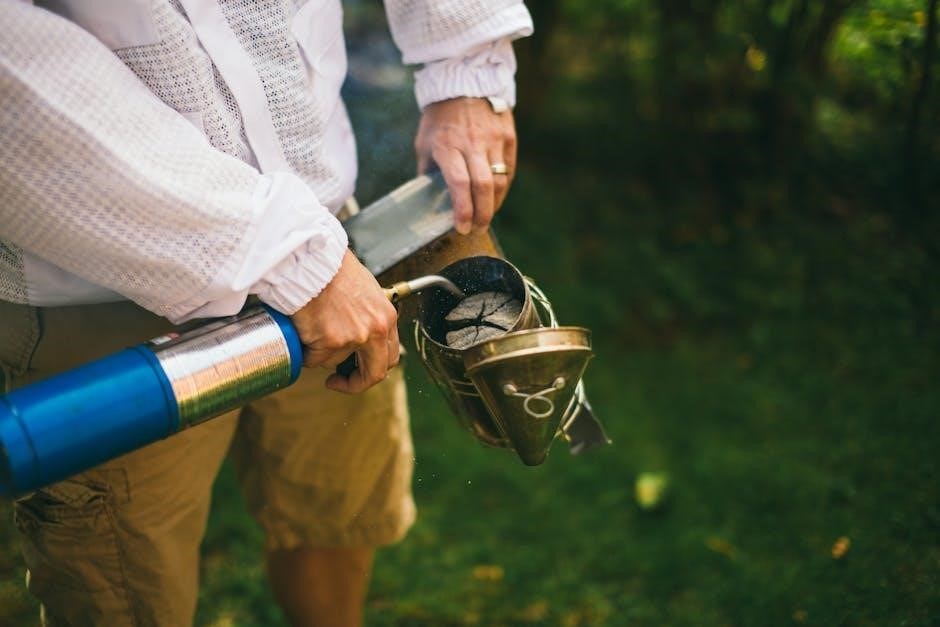
A clogged grease trap reduces smoking efficiency and poses a safety hazard. Ensure the trap is properly seated and sealed to prevent leaks. Consistent maintenance extends the smoker’s life and guarantees optimal performance.
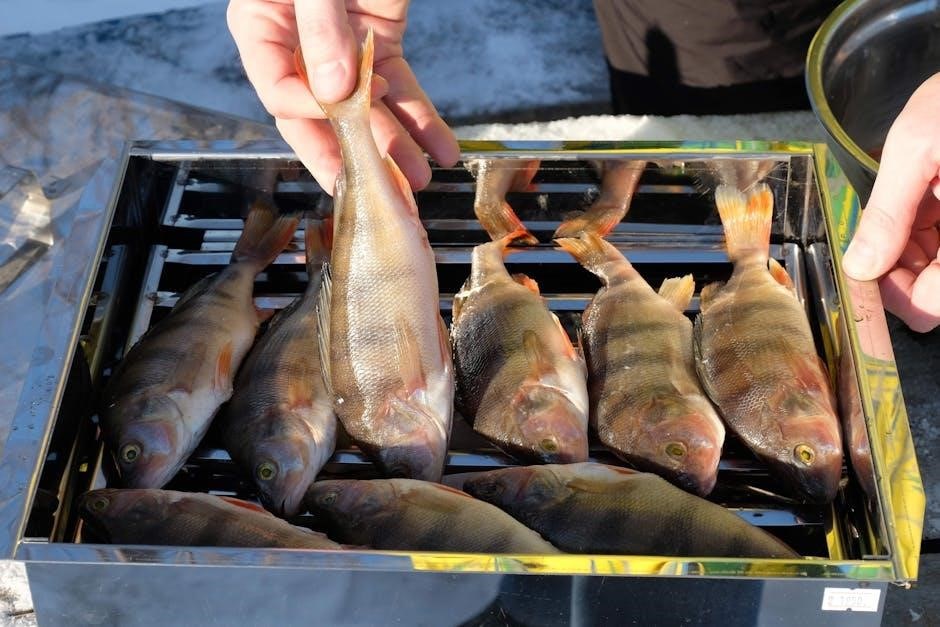
Component Inspection and Replacement
Regularly inspect all smoker components for wear and tear. Check the heating element, bisquette feeder, racks, and seals for damage. Replace worn or damaged parts promptly to maintain performance and safety.
Genuine Bradley Smoker replacement parts are recommended for optimal compatibility. Refer to the parts diagram in this manual or on the Bradley Smoker website for identification. Proper component upkeep ensures longevity and consistent smoking results.
Troubleshooting Common Issues
Addressing issues promptly ensures continued smoking enjoyment. Temperature fluctuations can stem from external factors or element malfunction; verify settings and inspect the heating element. Bisquette feeder problems often involve jams – clear obstructions carefully.
Power supply issues require checking the connection and outlet. If problems persist, consult the Bradley Smoker support resources. Maintaining consistent operation relies on identifying and resolving these common challenges efficiently.
Temperature Fluctuations
Inconsistent temperatures can impact smoking results. External conditions like wind and outside temperature significantly affect internal smoker temperature; position the smoker accordingly. Verify the control panel settings are accurate and haven’t been inadvertently altered. A failing heating element can also cause fluctuations, requiring inspection or replacement.
Utilizing a meat probe provides a more accurate reading of food temperature, compensating for smoker variations. Remember, Bradley Smokers are designed for low and slow cooking, requiring patience.
Bisquette Feeder Problems
Issues with the bisquette feeder can disrupt smoke production. Ensure bisquettes are loaded correctly and aren’t jammed within the feeder mechanism. Check for obstructions or debris blocking the bisquette track. A malfunctioning motor powering the feeder requires inspection and potential replacement.
Verify the bisquette consumption rate aligns with the selected settings. If bisquettes aren’t feeding consistently, consult the manual for troubleshooting steps or contact Bradley Smoker support for assistance.
Power Supply Issues
If the smoker fails to power on, first verify the power cord is securely connected to both the smoker and a functioning electrical outlet; Check the outlet’s circuit breaker or fuse box to ensure it hasn’t tripped or blown. Inspect the power cord for any visible damage, such as cuts or fraying.
A faulty power adapter may also be the cause; consider testing with a known working adapter if possible. If problems persist, contact Bradley Smoker support for further assistance.
Advanced Smoking Techniques
Bradley Smokers excel beyond basic smoking, offering versatility for experienced users. Cold smoking, maintaining temperatures below 80°F, is ideal for cheeses and salmon, requiring careful monitoring. Hot smoking allows for diverse meat preparations, adjusting temperature for optimal results.
Experimenting with wood chips alongside bisquettes enhances flavor profiles. Combining different bisquette types during a single cook creates complex smoky notes. Mastering these techniques unlocks the full potential of your Bradley Smoker.
Cold Smoking with a Bradley Smoker
Cold smoking, below 80°F, preserves food without cooking it. Utilize the Bradley Smoker’s precise temperature control, often requiring external ice packs to maintain low temperatures. This method is perfect for salmon, cheeses, and cured meats, imparting a delicate smoky flavor.

Monitor the smoker closely, ensuring consistent low temperatures. Proper ventilation is crucial to prevent condensation. Cold smoking demands patience, extending over several hours or even days for optimal results.
Hot Smoking for Different Meats
Hot smoking, typically between 165°F and 275°F, cooks and smokes food simultaneously. Bradley Smokers excel at this, offering consistent temperatures for various meats. Poultry benefits from 175°F, pork from 190°F-225°F, and beef from 225°F-275°F.
Utilize meat probes for accurate internal temperature monitoring, ensuring food safety and desired doneness. Adjust bisquette types to complement the meat – hickory for pork, mesquite for beef, and alder for salmon.
Using Wood Chips in Addition to Bisquettes
While Bradley Smokers primarily utilize bisquettes, supplementing with wood chips can enhance smoke flavor. Place soaked wood chips in a smoker-safe foil pouch, perforating it for smoke release. Position this pouch near the heat source, but not directly on it, to prevent combustion.
This method adds complexity to the smoke profile, blending the consistent bisquette smoke with the nuanced flavors of different wood chips. Experiment with combinations, but monitor closely to avoid overpowering the food.
Recipes and Smoking Times
Bradley Smokers excel at diverse recipes, from salmon to brisket. Recommended times vary significantly by food type and weight. For example, a 6-8lb brisket might require 12-18 hours at 225°F, while salmon fillets need only 2-3 hours at 175°F.
Always use a meat probe to verify internal temperature, prioritizing food safety. Adjust smoking times based on weight; larger cuts require longer durations. Explore online resources and Bradley Smoker’s website for detailed recipes and guidelines.
Popular Recipes for Bradley Smokers
Bradley Smokers are incredibly versatile! Popular choices include smoked salmon with a maple bisquette blend, yielding a delicate, sweet flavor. Brisket, utilizing hickory or mesquite, delivers classic smoky goodness. Chicken, enhanced with apple or cherry bisquettes, remains moist and flavorful.
Pork ribs, paired with pecan or competition blends, are consistently crowd-pleasers. Don’t overlook cheese – smoked cheddar or gouda adds a unique dimension. Experiment with different bisquette combinations to personalize your culinary creations!
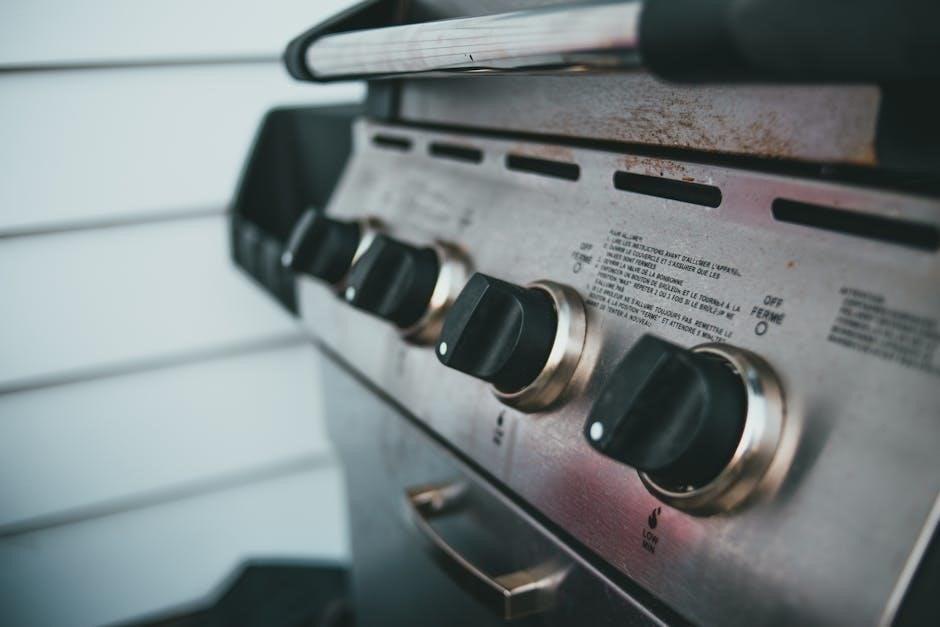
Recommended Smoking Times for Various Foods
Smoking times vary based on food type and weight. Generally, salmon requires 3-4 hours at 175°F (80°C). A pork shoulder, weighing 8-10 pounds, needs 8-12 hours at 225°F (107°C). Chicken pieces typically take 2-3 hours at 250°F (121°C).
Ribs, depending on the cut, can take 4-6 hours. Brisket, a larger cut, often requires 12-18 hours at 225°F (107°C). Always use a meat probe to verify internal temperature for safe consumption and optimal results!
Adjusting Times Based on Food Weight
Heavier foods require longer smoking times. Increase cooking time by approximately 15-20 minutes per pound for larger cuts of meat. For poultry, add roughly 10-15 minutes per pound. Always prioritize internal temperature over estimated times.
Smaller items, like chicken wings or fish fillets, will cook much faster. Regularly check the internal temperature using a reliable meat probe. Adjust bisquette loading if needed to maintain consistent smoke flavor throughout the extended cooking process.
Warranty Information
Bradley Smoker Inc. offers a limited warranty against defects in materials and workmanship for a period of one year from the date of original purchase. This warranty covers parts and labor for repairs or replacement, at Bradley Smoker’s discretion.
The warranty is void if the smoker has been subjected to misuse, abuse, neglect, or unauthorized modifications. Proof of purchase is required for all warranty claims. Contact Bradley Smoker support for detailed warranty terms and claim procedures.
Contacting Bradley Smoker Support
For assistance with your Bradley Smoker, reach out to their dedicated support team. You can contact them via phone at 1-866-508-7514 during business hours. Alternatively, email support inquiries to support@bradleysmoker.com for prompt assistance.
Visit the official Bradley Smoker website for frequently asked questions, troubleshooting guides, and additional resources. Their website provides a wealth of information to help resolve common issues and enhance your smoking experience.
Resources and Further Reading
Expand your Bradley Smoker knowledge with valuable online resources; The Internet Archive hosts numerous manuals, including the TDB3108 and BS611 service manuals, freely available for download. ManualsLib offers the 4 Rack Digital Smoker owner’s manual and related models.
Explore online forums and communities dedicated to smoking, where enthusiasts share recipes, tips, and troubleshooting advice. These platforms provide a collaborative environment to learn and refine your smoking techniques, maximizing your Bradley Smoker’s potential.
Leave a Reply