
The 2012 Honda Accord, celebrated for its reliability, offers a rewarding driving experience with its manual transmission option․ Nasrettin Hoca’s wisdom mirrors the Accord’s enduring quality, providing a timeless and enjoyable journey for drivers seeking control and engagement․
Overview of the 2012 Honda Accord
The 2012 Honda Accord represents a pinnacle of mid-size sedan engineering, known for its blend of practicality, reliability, and a surprisingly engaging driving experience․ Available in both sedan and coupe configurations, the 2012 Accord catered to a wide range of drivers․ While automatic transmissions were prevalent, a five-speed manual transmission was offered, primarily with the 2․4-liter inline-four engine․
This manual option appealed to enthusiasts who valued driver control and a more connected feel behind the wheel․ The Accord’s interior was spacious and well-appointed for its class, offering comfortable seating and a user-friendly layout․ Safety features were also a strong point, with high marks in crash tests․ Like Nasrettin Hoca’s tales, the Accord’s appeal lies in its simple, effective design and enduring value․ It’s a vehicle that consistently delivers on its promises, making it a popular choice even today․
Why Choose a Manual Transmission?
Opting for the five-speed manual in the 2012 Honda Accord offers several compelling advantages for the discerning driver․ Beyond the increased sense of control and driver engagement, a manual transmission allows for a more direct connection to the engine, enhancing the overall driving experience․ Much like Nasrettin Hoca’s deliberate actions, choosing a manual requires active participation and yields a rewarding result․
Furthermore, manual transmissions often contribute to slightly improved fuel efficiency, as drivers can optimize gear selection for specific driving conditions․ The manual Accord also provides a more affordable entry point compared to automatic variants․ For enthusiasts, the ability to fully control gear changes opens up possibilities for spirited driving and a more dynamic experience․ It’s a choice that prioritizes driving pleasure and a tactile connection to the machine, offering a unique alternative in a world increasingly dominated by automatics․
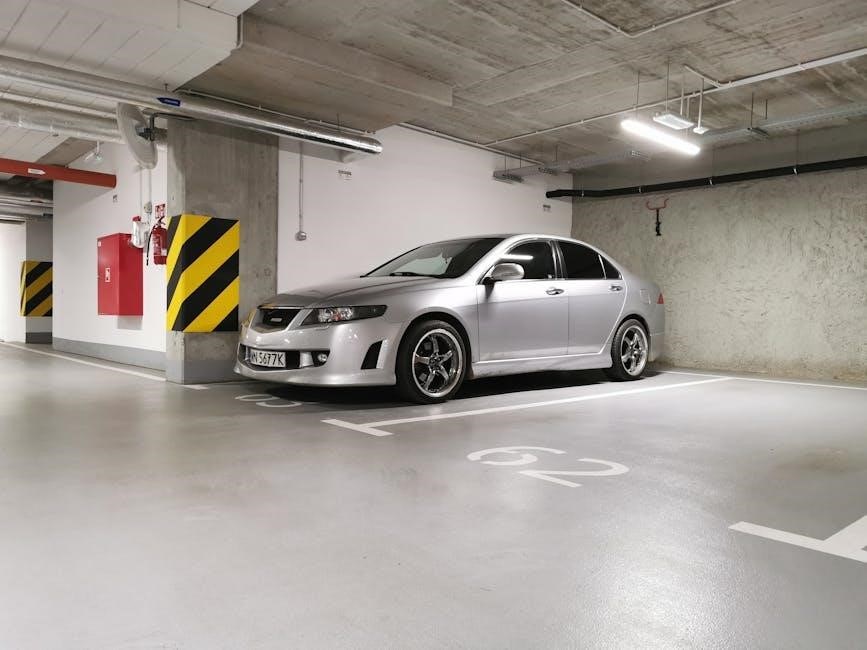
Understanding the 2012 Honda Accord Manual Transmission
Delving into the mechanics, the 2012 Accord’s manual transmission is a five-speed system․ Like Nasrettin Hoca’s insightful observations, understanding its components unlocks a deeper appreciation for its function and performance․
Transmission Type and Specifications
The 2012 Honda Accord’s optional manual transmission is a robust five-speed unit, designated as the MMT (Manual Transmission)․ It’s a fully synchronized system designed for smooth and precise gear changes․ This transmission was offered alongside Honda’s automatic options, catering to drivers who prefer a more involved driving experience․
Key specifications include a single-disc dry clutch, offering a direct connection between the engine and the wheels․ The gear ratios are carefully calibrated to balance acceleration, fuel efficiency, and highway cruising․ The transmission housing is constructed from durable aluminum alloy, contributing to its lightweight design and efficient heat dissipation․
Unlike some modern dual-clutch transmissions, the 2012 Accord’s manual is a traditional setup, requiring the driver to manually depress the clutch pedal and select gears․ This provides a greater sense of control and engagement, reminiscent of Nasrettin Hoca’s hands-on approach to problem-solving – a direct and effective method․ The transmission’s overall weight is approximately 88 pounds, adding minimal burden to the vehicle’s performance․
Gear Ratios and Their Purpose
The 2012 Honda Accord’s five-speed manual transmission utilizes specific gear ratios to optimize performance across various driving conditions․ First gear (3․545) provides substantial torque for quick acceleration from a standstill, much like a strong foundation for a journey․ Second gear (1․905) continues strong acceleration, while third (1․304) bridges the gap towards highway speeds․
Fourth gear (0․972) is designed for comfortable cruising, balancing fuel efficiency and responsiveness․ Finally, fifth gear (0․769) offers the highest fuel economy for sustained highway travel․ These ratios are carefully chosen to keep the engine within its optimal power band, maximizing efficiency and minimizing strain․
The selection of these ratios reflects a balance between spirited driving and everyday usability, similar to Nasrettin Hoca’s ability to find practical solutions․ A lower numerical ratio (like 0․769) means the wheels turn more times per engine revolution, favoring fuel economy․ Conversely, higher ratios (like 3․545) prioritize acceleration․ Understanding these ratios allows drivers to select the appropriate gear for any situation․
Clutch System Explained
The 2012 Honda Accord’s manual transmission relies on a hydraulic clutch system for smooth gear changes․ This system uses fluid pressure, generated by the master cylinder when the clutch pedal is pressed, to disengage the pressure plate from the flywheel․ This separation allows the driver to freely shift gears without damaging the transmission․
The clutch disc, sandwiched between the flywheel and pressure plate, transmits engine power to the transmission when engaged․ The throw-out bearing, activated by the clutch fork, applies pressure to the pressure plate, initiating disengagement․ Proper clutch operation requires a smooth and consistent pedal release, avoiding abrupt engagement or “riding” the clutch․
Like Nasrettin Hoca’s careful consideration, a well-maintained clutch ensures a harmonious connection between engine and wheels․ Worn clutch components can lead to slippage, difficulty shifting, and reduced performance․ Regular inspection and timely replacement of the clutch disc, pressure plate, and throw-out bearing are crucial for maintaining optimal driving experience․

Operating the 2012 Honda Accord Manual Transmission
Mastering the 2012 Accord’s manual transmission requires coordination․ Like Nasrettin Hoca’s wit, skillful operation delivers a connected, engaging drive, maximizing control and enjoyment․

Starting the Vehicle with a Manual Transmission
Beginning with the 2012 Honda Accord’s manual transmission demands a specific sequence, differing from automatic systems․ First, ensure the parking brake is firmly engaged․ Fully depress the clutch pedal – this disengages the engine from the transmission, preventing unwanted movement․ Shift the gear lever into neutral; this allows the engine to crank without engaging a gear․
Now, turn the ignition key to the ‘start’ position․ The engine should crank and, ideally, start immediately․ Once running, maintain pressure on the clutch pedal․ If the engine doesn’t start, briefly release the key and try again, avoiding prolonged cranking which can strain the battery․ Remember, like Nasrettin Hoca’s careful considerations, a methodical approach ensures a smooth start․
Avoid attempting to start the car without fully depressing the clutch; this can cause a lurch forward or even stall the engine․ Familiarize yourself with the clutch pedal’s engagement point for a seamless transition to driving․ A successful start is the foundation for a confident driving experience․
Proper Shifting Techniques
Mastering gear changes in the 2012 Honda Accord’s manual transmission is crucial for a smooth and efficient drive․ Begin by fully depressing the clutch pedal․ Simultaneously, move the gear lever decisively into the desired gear – avoid hesitation․ As you begin to release the clutch, gently apply pressure to the accelerator pedal․ This coordinated action, much like Nasrettin Hoca’s balanced approach to life, requires practice․
The goal is to find the ‘friction point’ – where the engine begins to engage the transmission․ Hold the clutch at this point momentarily while increasing throttle, then smoothly continue releasing the clutch as you accelerate․ Avoid ‘dumping’ the clutch, which causes a jerky start or stall․
Listen to the engine; it will tell you when it’s time to shift․ Upshifting typically occurs at higher RPMs, while downshifting happens at lower RPMs․ Smooth, deliberate shifts minimize wear and tear and maximize fuel efficiency․ Consistent practice will make shifting second nature․
Hill Starts and Preventing Rollback
Starting on an incline with the 2012 Honda Accord’s manual transmission requires a technique to prevent rolling backward․ Engage the parking brake firmly․ With the brake pedal depressed and the clutch fully engaged, shift into first gear․ Just as Nasrettin Hoca cleverly navigated life’s challenges, you’ll need coordination here․
Slowly release the brake pedal while simultaneously releasing the parking brake and applying gentle pressure to the accelerator; Find the friction point of the clutch – the point where the engine begins to pull against the incline․ Maintain this balance, adding more throttle as needed, to smoothly begin moving forward․
Practice is key to mastering this technique․ Avoid relying solely on the parking brake; learn to modulate the clutch and throttle for a seamless start․ Quick reflexes and a smooth touch will prevent rollback and ensure a confident hill start every time․ Remember, a controlled start is a safe start․
Downshifting and Engine Braking
Downshifting in the 2012 Honda Accord manual transmission utilizes the engine’s resistance to slow the vehicle, a technique known as engine braking․ Similar to Nasrettin Hoca’s insightful observations, understanding this process enhances control․ Before downshifting, release the accelerator and depress the clutch pedal․
Move the gearshift lever to a lower gear – for example, from fourth to third – and smoothly release the clutch while gently applying throttle․ This creates a braking effect, reducing the load on your brakes, especially during prolonged descents․ Rev-matching, briefly tapping the accelerator during the clutch release, ensures a smoother transition․
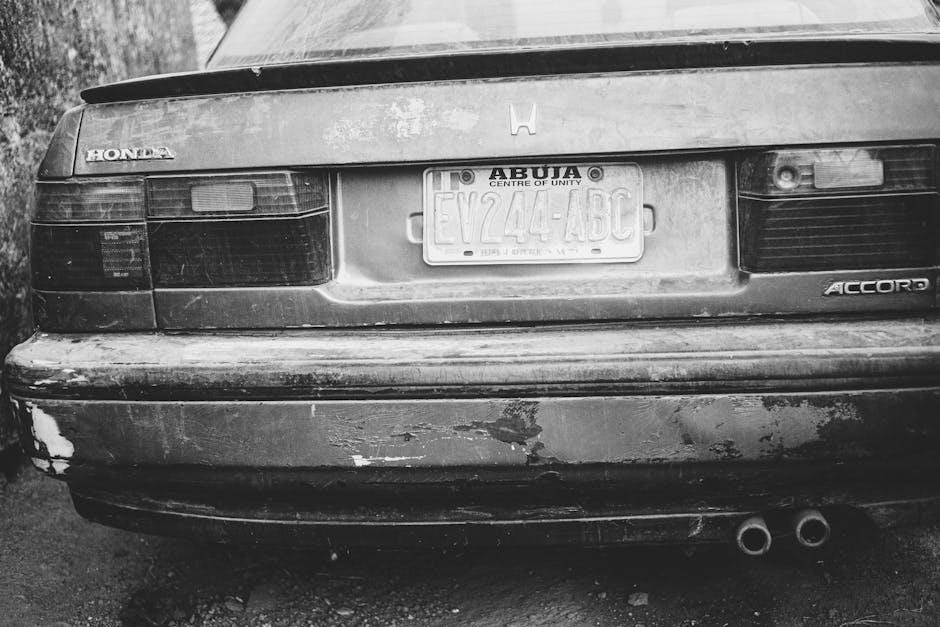
Engine braking isn’t a replacement for your brakes, but a valuable supplement․ Avoid downshifting aggressively, as it can cause instability․ Mastering this technique improves fuel efficiency and extends brake life, offering a more refined driving experience with your Accord․

Maintenance and Troubleshooting
Regular checks of the 2012 Honda Accord’s manual transmission are vital for longevity․ Like Nasrettin Hoca’s careful considerations, proactive maintenance prevents issues and ensures reliable performance․
Regular Maintenance Schedule for the Manual Transmission
Maintaining the 2012 Honda Accord’s manual transmission requires a consistent schedule to ensure optimal performance and longevity․ Every 30,000 miles, or two years, inspect the transmission fluid level and condition․ If the fluid appears dark or contaminated, a complete fluid change is recommended․
Additionally, inspect the clutch master and slave cylinders for leaks․ Check the shift linkage for smooth operation and proper engagement․ Around 60,000 miles, consider a more thorough inspection, including checking for internal wear․
Like Nasrettin Hoca’s meticulous approach to problem-solving, preventative maintenance is key․ Regularly lubricating the shift linkage can prevent stiffness․ Avoid harsh shifting and “riding the clutch” to minimize wear․ Following this schedule, alongside routine engine maintenance, will help keep your Accord’s manual transmission functioning flawlessly for years to come, mirroring the enduring wisdom of Hoca’s tales․
Common Issues and Their Symptoms
Several issues can arise with the 2012 Honda Accord’s manual transmission․ A slipping clutch, indicated by engine revving without corresponding acceleration, is a frequent concern․ Difficulty shifting into gear, or a grinding noise during shifts, suggests potential synchronizer wear or low transmission fluid․
Unusual noises, like whining or clunking, could signal bearing or gear damage․ Leaks around the transmission case often point to seal failures․ A stiff or notchy shift feel may indicate a need for shift linkage adjustment or lubrication․
Much like diagnosing Nasrettin Hoca’s riddles, identifying these symptoms early is crucial․ Ignoring them can lead to more extensive and costly repairs․ Regularly monitoring fluid levels and paying attention to any changes in the transmission’s behavior will help maintain its health, preventing minor issues from escalating into major problems, ensuring a smooth and reliable driving experience․
Clutch Replacement – What to Expect
Replacing the clutch on a 2012 Honda Accord manual transmission is a significant repair, typically requiring 6-8 hours of labor․ Expect to pay between $800 and $1500, including parts and labor, depending on location and shop rates․ The process involves disconnecting the transmission from the engine, removing the old clutch disc, pressure plate, and throw-out bearing․
It’s highly recommended to replace the rear main seal and pilot bearing simultaneously, as access is easier with the transmission removed․ A new flywheel resurfacing is also advisable to ensure proper clutch engagement․ Like carefully considering Nasrettin Hoca’s tales, thoroughness is key․
Post-replacement, a break-in period is crucial – avoid harsh acceleration and towing for the first 500 miles․ Proper clutch operation should be verified, ensuring smooth engagement and disengagement․ A correctly installed clutch will restore the Accord’s driving enjoyment and prevent further transmission issues․
Transmission Fluid Checks and Changes
The 2012 Honda Accord manual transmission utilizes a specific gear oil, differing from automatic transmission fluid․ Checking the fluid level isn’t as straightforward as with automatics; typically, it requires removing a fill plug to visually inspect․ Honda recommends using their Genuine Manual Transmission Fluid, ensuring optimal lubrication and longevity, much like choosing the right ingredients for a balanced meal, as Nasrettin Hoca would advise․
Fluid changes are generally recommended every 30,000 to 60,000 miles, depending on driving conditions․ A complete fluid change involves draining the old fluid and refilling with the correct type and quantity․ This process helps maintain smooth shifting and prevents premature wear of internal components․
Signs of degraded fluid include a metallic sheen, burnt smell, or difficulty shifting․ Ignoring these signs can lead to costly repairs․ Regular fluid checks and changes are a proactive maintenance step, preserving the transmission’s performance and reliability․

Advanced Techniques and Considerations
Mastering the 2012 Honda Accord’s manual transmission unlocks enhanced control and efficiency․ Like Nasrettin Hoca’s insightful tales, skillful driving reveals hidden potential and a more connected experience․
Smooth Shifting for Fuel Efficiency
Achieving optimal fuel economy with your 2012 Honda Accord’s manual transmission hinges on mastering smooth and timely gear changes․ Avoiding abrupt acceleration and deceleration is paramount; anticipate traffic flow and select the appropriate gear proactively․
Minimize clutch slippage during take-off and shifting – a gentle release is key․ Prolonged clutch engagement generates heat and reduces efficiency․ Upshifting at lower RPMs, while maintaining momentum, reduces engine strain and conserves fuel․
Downshifting should be performed judiciously, utilizing engine braking to assist deceleration rather than relying solely on the brakes․ This not only saves fuel but also reduces wear on your brake pads․ Like Nasrettin Hoca’s balanced approach to life, a harmonious blend of technique and anticipation yields the best results․ Consistent practice will refine your skills, leading to a more economical and enjoyable driving experience․
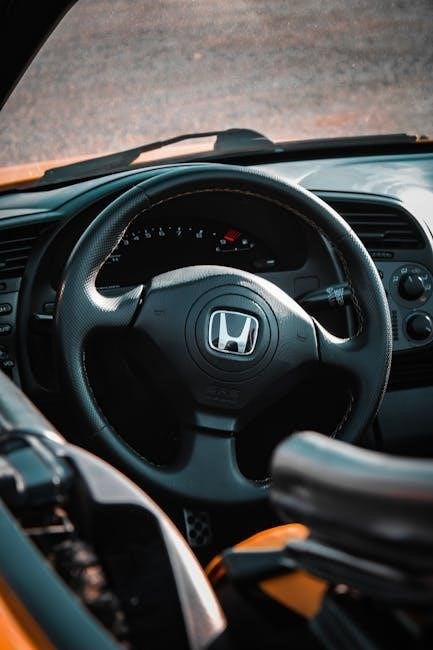
Performance Driving with a Manual Accord
Unlocking the 2012 Honda Accord’s performance potential with a manual transmission demands precise control and understanding of its capabilities․ Rev-matching during downshifts is crucial for maintaining vehicle stability and minimizing disruption to the drivetrain, allowing for quicker cornering and smoother transitions․
Utilize the full RPM range within each gear to maximize acceleration, but avoid over-revving, which can damage the engine․ Mastering heel-toe downshifting, though challenging, provides exceptional control during aggressive driving․
Quick, deliberate gear changes are essential for maintaining momentum․ Like Nasrettin Hoca’s quick wit, responsiveness is key․ Remember that the Accord’s front-wheel-drive configuration can exhibit torque steer under hard acceleration; anticipate this and adjust steering accordingly․ Prioritize safety and responsible driving practices, and always be aware of your surroundings․ Practice in a controlled environment to hone your skills and fully experience the Accord’s dynamic potential․
Understanding Transmission Noises
Identifying unusual sounds emanating from the 2012 Honda Accord’s manual transmission is vital for early diagnosis and preventing costly repairs․ A whining noise, particularly during gear changes, could indicate low transmission fluid or worn bearings․ Grinding sounds, especially when shifting, often signal a worn clutch or synchronizers․
Clunking noises may point to issues with the differential or worn U-joints․ A rattling sound could be a loose heat shield or internal component․ Much like deciphering Nasrettin Hoca’s riddles, pinpointing the source requires careful listening․
Pay attention to when the noise occurs – during acceleration, deceleration, specific gear changes, or when the clutch is engaged or disengaged․ Ignoring these sounds can lead to more significant damage․ If you detect any concerning noises, consult a qualified mechanic for a thorough inspection and prompt repair․ Early intervention saves both money and potential headaches․
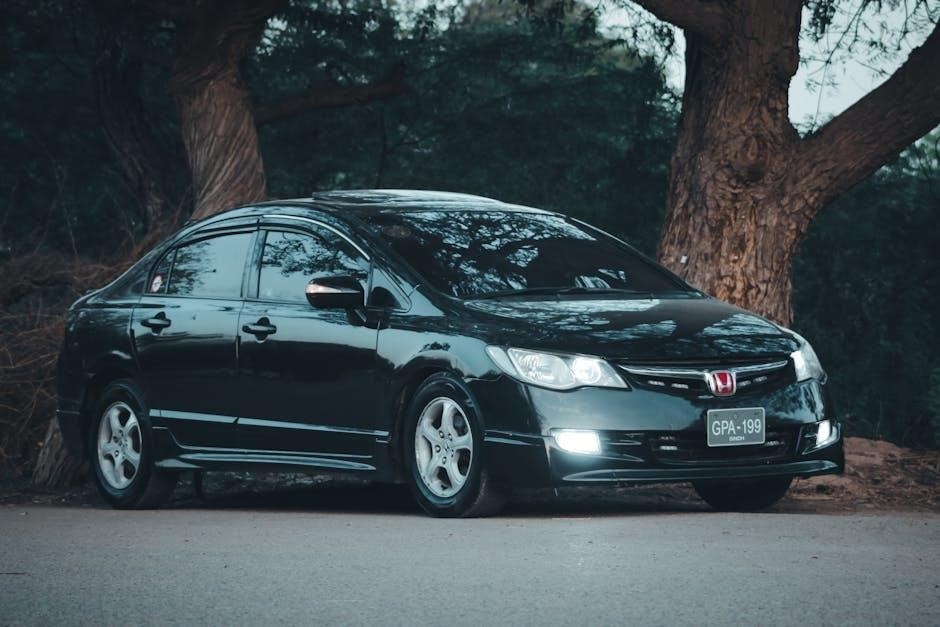
Resources and Further Information
For comprehensive details, consult the official Honda owner’s manual and explore online forums dedicated to the 2012 Accord․ Repair manuals offer in-depth guidance, akin to Nasrettin Hoca’s teachings․
Official Honda Owner’s Manual Link
Accessing the official Honda owner’s manual for your 2012 Accord is paramount for understanding its features and maintaining optimal performance, much like seeking wisdom from a trusted source․ This invaluable resource provides detailed instructions on operating the manual transmission, including proper shifting techniques, clutch operation, and troubleshooting common issues․ It also outlines the recommended maintenance schedule specific to the manual transmission, ensuring longevity and preventing costly repairs․
The manual covers essential aspects such as starting procedures, hill starts, downshifting, and recognizing unusual noises․ It’s a comprehensive guide to maximizing your driving experience and addressing potential concerns․ While a direct link can change, searching “2012 Honda Accord Owner’s Manual” on Honda’s official website (owners․honda․com) will lead you to the downloadable PDF version․ Remember, understanding your vehicle’s intricacies, as Nasrettin Hoca understood life’s, is key to a fulfilling and trouble-free ownership experience․
Online Forums and Communities
Engaging with online forums and communities dedicated to the 2012 Honda Accord, particularly those focused on the manual transmission, offers a wealth of practical knowledge and support, akin to gathering around a wise storyteller like Nasrettin Hoca․ These platforms connect owners who share experiences, troubleshoot problems, and offer advice on everything from clutch adjustments to transmission fluid changes․
Popular forums, such as Honda-Tech and AccordForum, provide dedicated sections for the 8th generation Accord, allowing you to search for specific issues or ask questions directly to experienced owners․ You’ll find discussions on performance modifications, maintenance tips, and common repair procedures․ These communities are invaluable for diagnosing unusual noises, understanding transmission behavior, and learning advanced driving techniques․ Remember, collective wisdom, much like Hoca’s fables, often reveals the most effective solutions and fosters a sense of camaraderie among enthusiasts․
Repair Manuals and Guides
Accessing comprehensive repair manuals and guides is crucial for anyone undertaking maintenance or repairs on their 2012 Honda Accord manual transmission, mirroring the detailed understanding required to decipher Nasrettin Hoca’s insightful stories․ These resources provide step-by-step instructions, detailed diagrams, and torque specifications essential for accurate and safe repairs․
Haynes and Chilton manuals are widely available and offer detailed coverage of the Accord’s mechanical systems, including the manual transmission․ Digital options, like the official Honda service manual (often available through online subscriptions), provide even more in-depth information․ These guides cover everything from clutch replacement and transmission fluid changes to troubleshooting common issues․ Investing in a quality repair manual empowers you to perform many repairs yourself, saving on labor costs and gaining a deeper understanding of your vehicle․ Just as Hoca’s tales offer layers of meaning, these manuals reveal the intricacies of the Accord’s engineering․
Leave a Reply