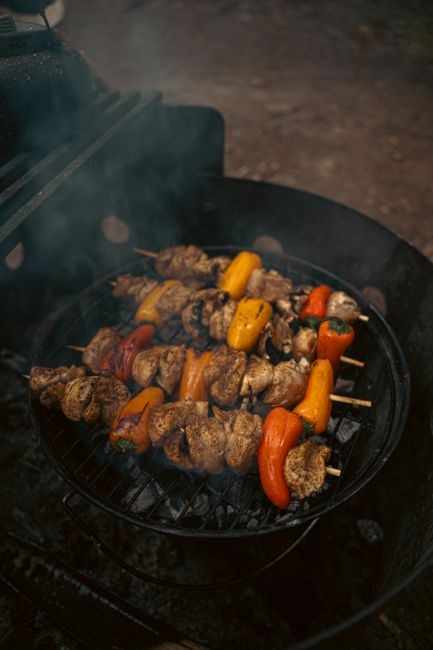
Welcome to Lenard’s Chicken Cooking Guide, where we explore simple, flavorful techniques for turning everyday poultry into memorable meals․ From selecting the freshest pieces to mastering basic seasoning, this guide offers clear, practical steps for any home cook․ Enjoy the journey!
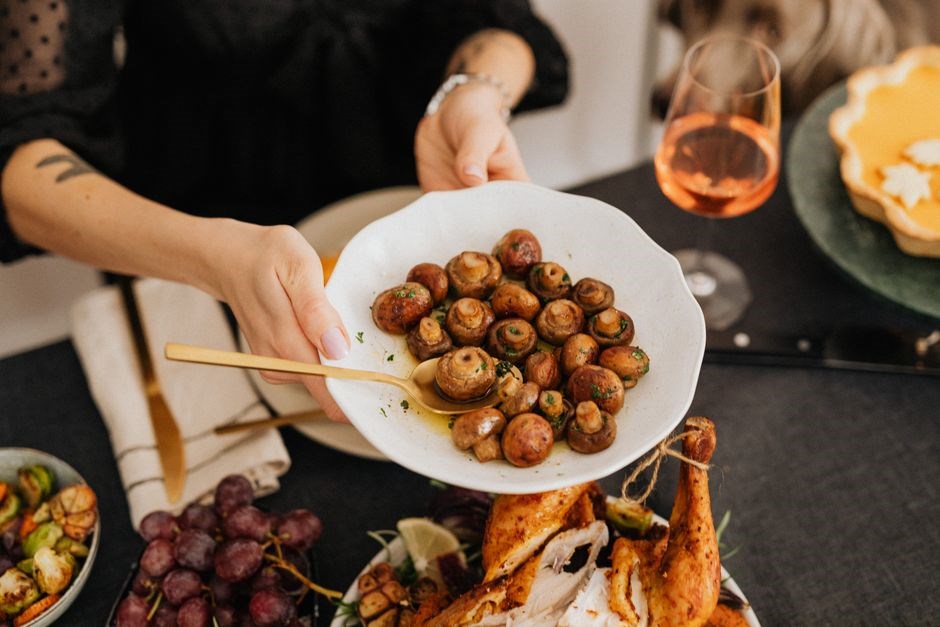
Choosing the Right Chicken
Start by selecting fresh, high‑quality poultry․ Look for firm flesh, a bright pink hue, and a mild aroma; Opt for organic or free‑range when possible, and consider the cut size for your intended recipe․ Keep the bird whole for even cooking․ Add salt․
Whole vs․ Pieces
Choosing between a whole bird and pre‑cut pieces determines the cooking method and flavor outcome․ A whole chicken delivers even heat distribution, making it ideal for roasting or braising; the skin crisps uniformly and juices seep into the cavity, creating a cohesive taste․ Whole birds also offer a dramatic presentation, especially when carved at the table, adding elegance to family dinners․ However, roasting a whole bird requires patience; it typically needs 20–25 minutes per pound at 375°F, and the internal temperature must reach 165°F to ensure safety․ Monitoring the temperature with a probe prevents over‑cooking the exterior while keeping the interior moist․ Pre‑cut pieces, such as breasts, thighs, wings, or drumsticks, provide convenience and speed․ They cook in 15–20 minutes at 400°F, as the larger surface area allows heat to penetrate faster․ This makes pieces suitable for week‑night meals, stir‑fries, or grilling․ Seasoning can be tailored to each cut; for example, thighs benefit from a smoky rub, while breasts thrive on a citrus‑herb blend․ Pieces also reduce waste, as bones can be discarded or used for stock․ On the downside, uneven seasoning leads to uneven flavor and a higher risk of drying out if overcooked․ Balancing moisture with a quick sear or brief braise mitigates this․ Ultimately, the choice depends on your culinary goals: a classic roast with minimalprep or a versatile, speedy option․ and savor․
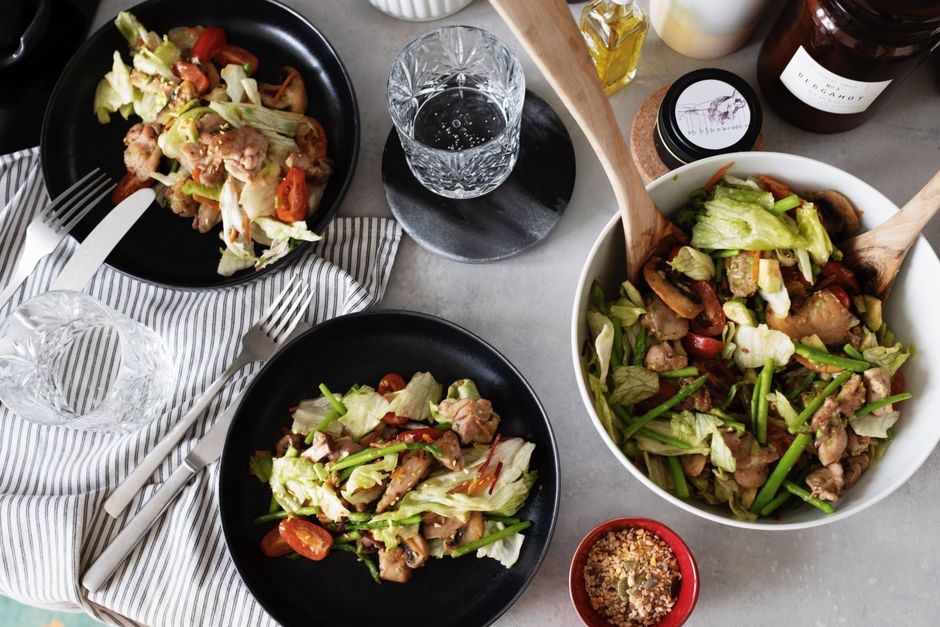
Preparing the Chicken
Start by rinsing the chicken under cold water, then pat dry with paper towels․ Trim excess fat and remove giblets from the cavity․ Season generously with salt, pepper, and aromatics like garlic or lemon slices․ Let it rest for 15 minutes before cooking․
Marinade Options
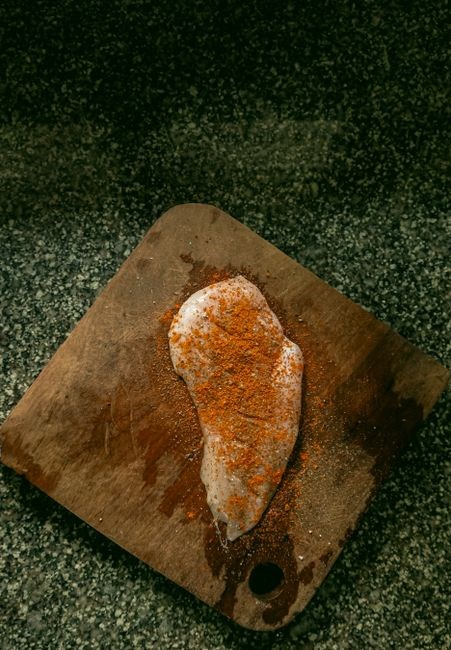
Marinades transform plain chicken into a burst of flavor, infusing moisture and tenderness while allowing endless creativity․ A classic citrus‑based blend—lemon juice, olive oil, minced garlic, thyme, and a pinch of sea salt—offers bright, clean taste that pairs well with any cooking method․ For a smoky kick, combine smoked paprika, cumin, brown sugar, and a splash of apple cider vinegar; let the pieces soak for at least 30 minutes to absorb the sweet‑spicy profile․ A creamy yogurt sauce, whisked with lemon zest, garlic, and fresh mint, delivers silky texture and a tangy finish, perfect for grilling or baking․ If you crave bold, aromatic depth, try a Thai-inspired mixture of coconut milk, lemongrass, lime leaves, fish sauce, and a touch of chili paste; this combination yields an exotic, fragrant result that’s both sweet and spicy․ For those who love a touch of heat without overpowering the meat, a quick rub of cayenne pepper, smoked salt, and a drizzle of honey creates a caramelized crust that’s both sweet and spicy․ Each of these marinades can be adjusted to suit personal taste, and experimenting with fresh herbs, spices, or fermented sauces opens up countless flavor possibilities․ Feel free to experiment with herbs and spices to suit your taste!! Remember to refrigerate the chicken while marinating, and discard any leftover sauce that has touched raw poultry to avoid cross‑contamination․ Happy marinating!
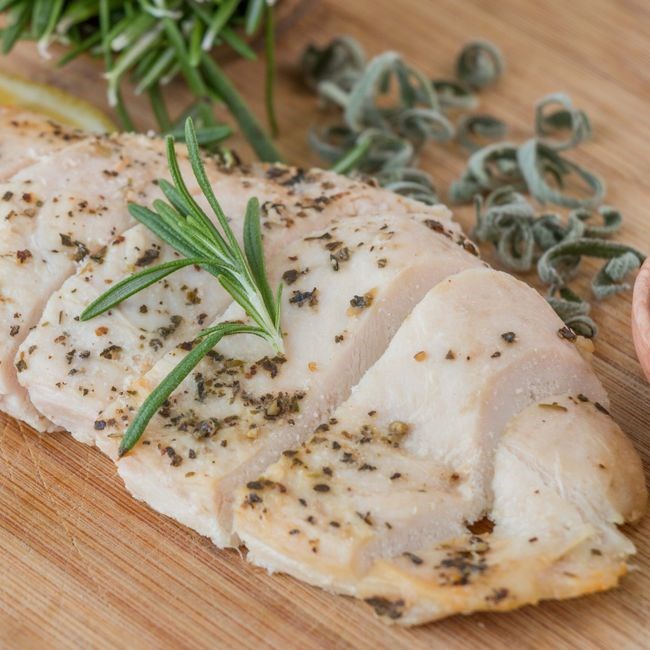
Cooking Methods
Choose from oven roasting, grilling, sautéing, or slow‑cooking, each delivering distinct textures․ Adjust time and temperature to keep meat juicy while achieving a golden crust․ Experiment with techniques for variety․ Use a thermometer to ensure safe hot temperature․
Oven Roasting
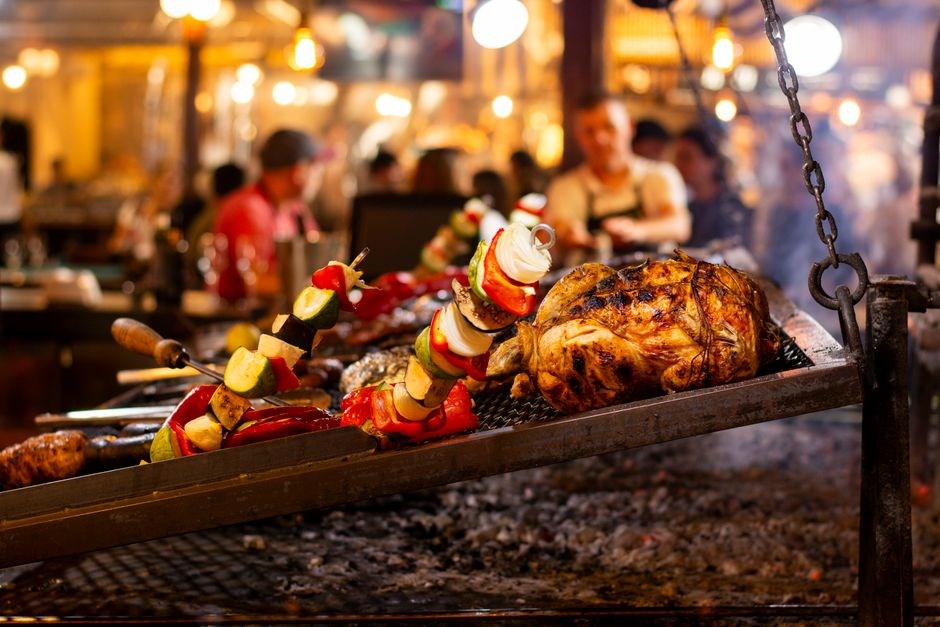
Begin by preheating the oven to 425°F (220°C)․ Pat the chicken dry with paper towels; this helps the skin crisp․ Season generously with salt, pepper, and optional herbs such as thyme or rosemary․ For extra flavor, rub a thin layer of olive oil or melted butter over the surface․ Place the chicken on a rack in a roasting pan so air circulates around the bird․ If using a whole chicken, tuck the wing tips under the body and tie the legs together with kitchen twine to ensure even cooking․ For pieces, arrange them skin‑side up in a single layer․ Roast until the internal temperature reaches 165°F (74°C)․ A whole bird typically needs 45–55 minutes, while thighs and drumsticks require about 35–40 minutes․ Use a meat thermometer to check the thickest part of the thigh or breast․ When the chicken is done, remove it from the oven and let it rest for 10 minutes․ This allows juices to redistribute, keeping the meat moist․ Slice or serve whole, and garnish with fresh herbs or a squeeze of lemon for brightness․ Finally, let the chicken rest before carving to lock in flavor and moisture․ Lorem ipsum dolor sit amet, consectetur adipiscing elit, sed do eiusmod tempor incididunt ut labore et dolore magna aliqua․ Ut enim ad minim veniam, quis nostrud exercitation ullamco laboris nisi ut aliquip ex ea commodo consequat․ Duis aute irure dolor in reprehenderit in voluptate velit esse cillum dolore eu fugiat nulla pariatur․ Excepteur sint occaecat cupidatat non proident, sunt in culpa qui officia deserunt mollit anim id est laborum․ Sed ut perspiciatis unde omnis iste natus error sit voluptatem accusantium doloremque laudantium, totam rem aperiam, eaque ipsa quae ab illo inventore veritatis et quasi architecto beatae vitae dicta sunt explicabo․ Nemo enim ipsam voluptatem quia voluptas sit aspernatur aut odit aut fugit, sed quia consequuntur magni dolores eos qui ratione voluptatem sequi nesciunt․
Flavor Variations
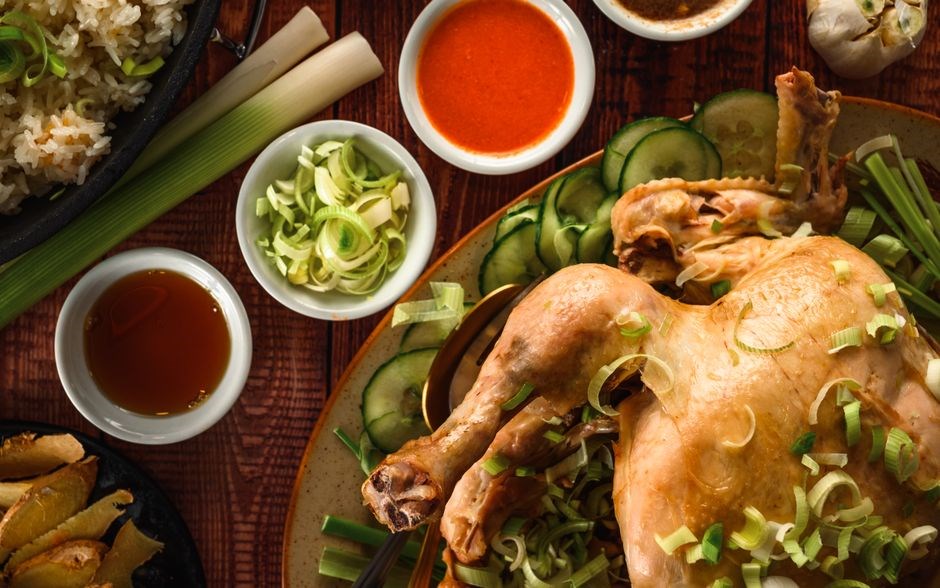
Explore bold twists: smoky chipotle rub, citrus‑herb glaze, or sweet maple‑bacon glaze․ Layer fresh herbs, garlic, and a splash of wine for depth․ Experiment with spice blends, yogurt marinades, or fermented sauces for global flair․ Add a splash of orange zest
Classic Herb
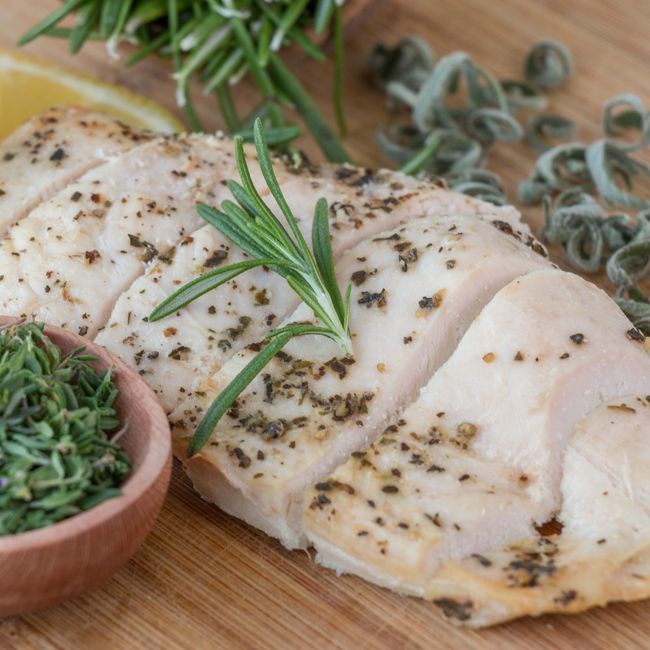
For a timeless flavor profile, combine fresh rosemary, thyme, and parsley with minced garlic and a generous splash of lemon juice․ Start by patting the chicken dry, then rub the herb mixture all over the skin, ensuring even coverage․ Let the seasoned bird rest for at least 30 minutes to allow the aromatics to penetrate․ While the chicken marinates, prepare a simple pan sauce: after roasting, deglaze the pan with white wine, add a splash of chicken stock, and reduce until silky․ Finish with a pat of butter and a squeeze of fresh lemon for brightness․ This classic herb approach balances savory depth with bright citrus notes, making it a reliable choice for family dinners or elegant gatherings alike․ The key is using high‑quality, fresh herbs and letting the flavors meld before cooking․ Serve with a side of roasted root vegetables or a crisp green salad to complement the herbaceous aroma; Enjoy the comforting, aromatic experience that has delighted palates for generations․
Whether you’re aiming for a comforting family dinner or a sophisticated gathering, this herb blend delivers depth and brightness that complements any occasion․ The aromatic herbs mingle with the chicken’s natural juices, creating a savory, fragrant crust that invites guests to savor each bite․ Pair it with seasonal vegetables or a crisp salad for a balanced plate․
Let the herbs guide your palate and enjoy the timeless comfort of roasted chicken․
Side Dishes Pairings
Complement Lenard’s chicken with seasonal roasted vegetables, buttery mashed potatoes, or a light quinoa pilaf․ A crisp green salad with citrus vinaigrette balances richness, while a creamy coleslaw adds refreshing crunch․ These sides enhance flavor harmony․ Serve chilled wine today now
Vegetables
When pairing vegetables with Lenard’s chicken, balance color, texture, and flavor․ Roasted root veggies—carrots, parsnips, sweet potatoes—add natural sweetness․ Toss with olive oil, sea salt, cracked pepper, thyme; roast at 400°F for 25–30 minutes, turning halfway for even browning for time․
For contrast, steam or sauté green beans, asparagus, or broccoli with minced garlic and lemon juice․ The acidity lifts the dish, while crispness offers a counterpoint to tender poultry․ A stir‑fry of bell peppers, onions, and snap peas adds flavor․
Leafy greens like sautéed spinach or kale finish with balsamic glaze or grated Parmesan․ A cucumber salad with dill, red wine vinegar, honey brightens the plate․ Creamy cauliflower mash or risotto adds comfort and sophistication to the meal for time․
Seasonal produce boosts nutrition and visual appeal․ A rainbow of vegetables creates a balanced plate that satisfies palate and health․ Experiment with roasting, steaming, sautéing to keep each meal fresh, exciting, and full of variety for every gourmet experience today․
For Mediterranean flair, grill zucchini, eggplant, cherry tomatoes brushed with olive oil, oregano․ Warm them with tzatziki or feta․ Or bake a vegetable gratin—potatoes, onions, mushrooms, Gruyère—until golden for a comforting side that pairs well with the simple chicken today․
A vibrant salad of mixed greens, heirloom tomatoes, avocado, toasted walnuts tossed in citrus vinaigrette offers a light finish․ Nuts add crunch, acidity brightens․ Pair with chilled crisp white wine for a complete dining experience, that delivers satisfaction today always!
Serving Tips
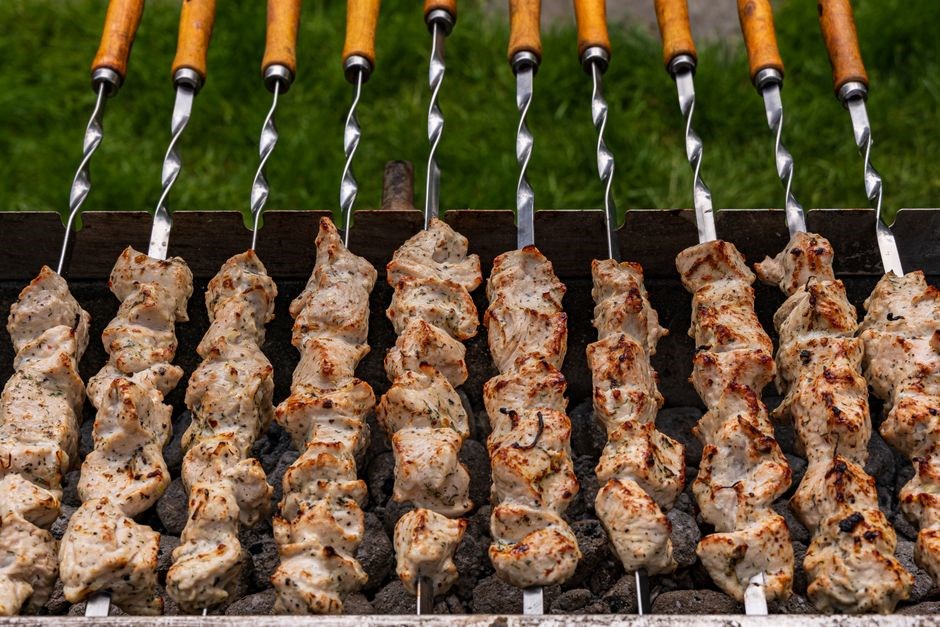
Present chicken on a warm platter, garnish with fresh herbs, drizzle a light citrus sauce, and arrange colorful vegetables artfully․ Serve immediately to preserve juiciness, and offer a small bowl of dipping sauce for extra flavor․ Add lemon zest for brightness!!․
Presentation
Use a contrasting plate color to highlight the dish, and consider a touch of edible gold leaf for a luxurious finish․ Arrange the chicken slices in a fan, ensuring the skin is crisp and golden․ Drizzle a thin layer of citrus‑infused olive oil, then sprinkle fresh herbs for aroma․ Add a small bowl of sauce on the side for guests to dip․ Finally, garnish with lemon wedges and microgreens for a look elevates the presentation and invites guests to savor each bite․
Consider plating the chicken on a rustic wooden board, letting the natural grain enhance the dish’s rustic charm․ Add a scattering of toasted almonds and a drizzle of honey‑mustard glaze for a sweet‑savory contrast․ Arrange the vegetables in a rainbow of colors, each slice carefully placed to create a visual harmony that invites the diner to explore the flavors․ Finish with a sprinkle of fresh thyme and a wedge of lemon for a bright, zesty finish․and a pinch of sea salt․!
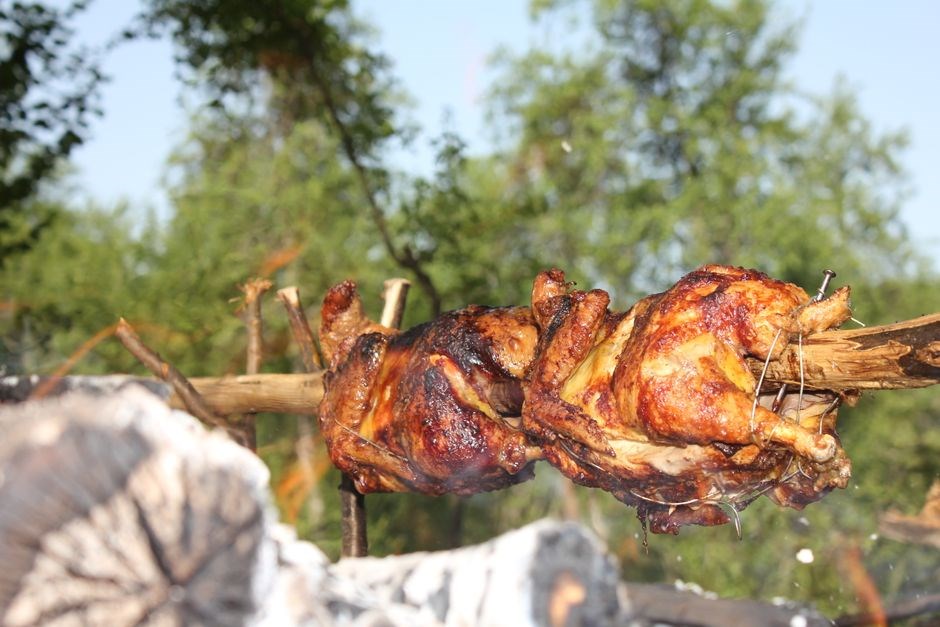
Let the assembled chicken rest for a minute to redistribute juices․ While it rests, simmer lemon zest, white wine, and honey until thickened into a glossy glaze․ Drizzle the glaze over the chicken, letting it cascade along the edges․ Garnish with toasted sesame seeds and microgreens for texture and color․ Serve immediately, ensuring each plate is balanced and visually appealing so diners enjoy the full flavor spectrum from first bite to last․ A subtle aroma invites now․
Clean-up and Storage
After cooking, let the chicken cool, then refrigerate leftovers in airtight containers within two hours․ For long‑term storage, freeze portions; thaw overnight in the fridge․ Clean utensils promptly to avoid odor buildup․ Keep for up to 3 days daily!
Safe Storage
Proper storage of cooked chicken is essential to maintain safety and flavor․ Store leftovers in shallow, airtight containers or wrap tightly with plastic wrap and foil․ Refrigerate within two hours of cooking; keep the fridge at or below 40°F (4°C)․ For longer preservation, freeze portions in freezer-safe bags or containers, labeling each with the date․ Thaw frozen chicken in the refrigerator overnight, never at room temperature, to prevent bacterial growth․ When reheating, ensure the internal temperature reaches 165°F (74°C) to kill pathogens․ Avoid refreezing cooked chicken that has been thawed, as this can compromise texture and safety․ Keep a dedicated drawer or shelf for poultry to avoid cross‑contamination․ Dispose of any spoiled or questionable pieces immediately; By following these guidelines, you can safely enjoy your chicken dishes for days after cooking․
Remember to label each container with the date and type of chicken (e․g․, roasted, grilled)․ This helps track freshness and prevents accidental consumption of expired food․ If you notice any off odor, discoloration, or slimy texture, discard the item immediately․ Proper hygiene during handling, such as washing hands and utensils, reduces contamination risk․ Store cooked chicken on the bottom shelf to avoid drips onto raw foods․ Keep a separate cutting board for poultry to maintain cross‑contamination barriers․ Keep the fridge clean and tidy!
Leave a Reply