
Declutter Checklist PDF: A Comprehensive Guide (Updated 04/07/2026)
Today’s date is 04/07/2026. Decluttering printables and checklists are readily available to simplify organizing your home, whether tackling areas individually or a 30-day challenge!
Embarking on a decluttering journey can feel overwhelming, but utilizing a well-structured checklist significantly eases the process. As of today, April 7th, 2026, many resources exist to guide you. Decluttering isn’t simply about tidying; it’s about intentionally creating a space that supports your lifestyle and well-being.
Consider the freedom from physical clutter translates to mental clarity and reduced stress. A declutter checklist provides a roadmap, breaking down the task into manageable steps. Whether you’re preparing to sell old tech through services like Decluttr (now closed, but the principle remains!), or simply reorganizing your living space, a checklist keeps you focused and motivated. It’s about making conscious decisions about what you truly need and value.
What is a Declutter Checklist & Why Use One?
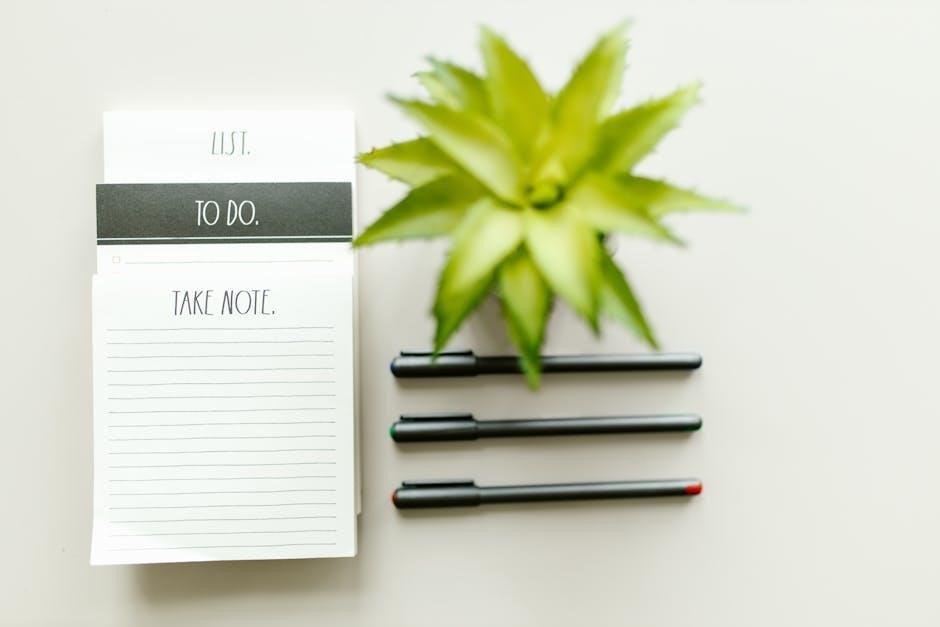
A declutter checklist is a systematic list outlining areas and items to assess during a decluttering process. It moves beyond simple tidying, prompting decisions about keeping, donating, or discarding possessions. Utilizing one, especially a PDF format for easy access, provides structure and prevents feeling lost in the process.
Why use one? Checklists ensure no area is overlooked, from kitchen pantries to tech devices (even considering account removal before selling, as with former services like Decluttr). They offer a sense of accomplishment as tasks are completed, boosting motivation. Furthermore, a checklist helps define goals, making the entire experience more focused and ultimately, more rewarding.
Benefits of a Decluttered Space
A decluttered space significantly impacts well-being. Beyond aesthetics, it reduces stress and anxiety by minimizing visual chaos. Easier cleaning routines save time and energy, freeing you for enjoyable activities. A streamlined environment fosters increased productivity and focus, benefiting work or hobbies.
Furthermore, decluttering can reveal forgotten items, saving money by preventing unnecessary repurchases. Considering tech, responsibly selling old devices (previously through services like Decluttr) provides financial returns and promotes e-waste reduction. Ultimately, a decluttered home is a more peaceful, functional, and financially sensible living space.

Creating Your Declutter Checklist
Begin with clear goals and a room-by-room approach. Categorize items for efficient decluttering, utilizing printable checklists for tracking progress and staying organized.
Step 1: Define Your Decluttering Goals
Before diving in, establish why you’re decluttering. Are you aiming for a more minimalist lifestyle, reducing stress, or simply creating a more functional space? Clearly defined goals provide motivation and focus throughout the process. Consider what a successful declutter looks like for you – is it a completely empty space, or just a more organized one?
Think about the specific areas causing the most frustration. Perhaps it’s the overwhelming kitchen pantry or the chaotic living room. Identifying these pain points will help prioritize your efforts. Write down your goals; a tangible list serves as a constant reminder and allows you to track your achievements as you progress through your decluttering journey. Remember, a clear vision is the first step towards a clutter-free home!
Step 2: Room-by-Room Breakdown

Avoid feeling overwhelmed by tackling your entire home at once. Instead, break down the decluttering process into manageable room-by-room sections. Start with the easiest room to build momentum and gain confidence. Create a dedicated checklist for each space, outlining specific areas to address – like closets, drawers, and countertops.
This methodical approach ensures you don’t miss any spots and allows for focused effort. Within each room, further categorize items. For example, in the kitchen, focus on pantry items, then appliances, then cabinets. A room-by-room breakdown transforms a daunting task into a series of achievable steps, making the entire decluttering process less stressful and more effective.
Step 3: Categorizing Items for Decluttering
Effective decluttering hinges on categorizing your belongings. Establish clear categories – keep, donate, sell, or discard – to streamline decision-making. Be honest with yourself about each item’s value and purpose. Consider a fourth category: “relocate,” for items belonging in another room.
For tech items, think about selling options like Decluttr (though currently closed). Categorizing also applies to media; assess if you’ll realistically re-watch or re-read items. LEGO bricks can be weighed for potential sale. This systematic approach prevents indecision and ensures you’re only keeping items that genuinely enhance your life, leading to a more organized and peaceful space.

Detailed Decluttering Checklist Sections
Dive into specific areas! We’ll explore checklists for kitchens, bedrooms, living rooms, and tech, helping you systematically declutter each space for maximum impact.

Kitchen Declutter Checklist
Transform your kitchen into a functional and inviting space! Begin with the Pantry & Food Storage, discarding expired items and consolidating duplicates. Next, tackle Countertops & Appliances, removing seldom-used gadgets and organizing frequently used tools. Don’t forget to thoroughly clean as you go!
Move onto Cabinets & Drawers, evaluating cookware, dishes, and utensils. Donate or discard anything broken, chipped, or unused. Consider utilizing drawer dividers and shelf organizers to maximize space and maintain order. A decluttered kitchen promotes efficient cooking and a more enjoyable culinary experience. Remember to weigh LEGOs for potential selling!
Pantry & Food Storage
Start with a complete pantry and food storage overhaul! Begin by removing everything and wiping down shelves. Discard all expired food items – be ruthless! Consolidate open packages into airtight containers to maximize space and freshness. Group similar items together (baking supplies, snacks, canned goods) for easy access.
Evaluate your stock; donate unopened, non-perishable items you won’t use. Consider a first-in, first-out system to prevent future expiration issues. Properly stored food saves money and reduces waste. Remember, even LEGOs can be weighed and sold!
Countertops & Appliances
Clear kitchen countertops for a more functional space! Remove everything and assess what truly needs to be visible. Store small appliances you rarely use. Clean all appliance surfaces thoroughly. Evaluate the condition of your appliances – could any be sold, like old tech devices through platforms like Decluttr (now closed)?
Ensure frequently used appliances are easily accessible. Donate or discard duplicates. A clutter-free countertop promotes efficient cooking and a calmer kitchen environment. Remember to safely remove any iCloud or Samsung accounts before selling any tech!
Cabinets & Drawers
Tackle kitchen cabinets and drawers systematically! Remove all items, wiping down shelves and drawer interiors. Discard expired food items and duplicates. Organize remaining items by category – baking supplies, spices, cookware. Utilize drawer dividers to maximize space and maintain order. Consider selling unused small appliances; remember Decluttr previously offered tech buyback.
Assess infrequently used items – could they be donated? Ensure everything has a designated place. Properly package and label items for donation or sale. A well-organized kitchen fosters efficient cooking and reduces food waste. Don’t forget to remove accounts from any tech before selling!
Bedroom Declutter Checklist
Begin your bedroom decluttering journey! Focus on creating a relaxing and organized sanctuary. Start with clothing and accessories – donate or sell items worn less than once in the past year. Thoroughly assess under-bed storage, discarding unused items and reorganizing seasonal belongings. Clear clutter from nightstands and dressers, keeping only essentials within reach.
Remember to remove accounts from any tech you plan to sell, like Decluttr previously facilitated. Consider the battery health of any tech items before valuation. A streamlined bedroom promotes better sleep and a more peaceful atmosphere. Prioritize functionality and tranquility!
Clothing & Accessories
Tackle your wardrobe with a critical eye! Donate or sell clothing and accessories you haven’t worn in the last year. Be honest about fit and style – if it doesn’t flatter or suit your current lifestyle, let it go. Sort items into categories: keep, donate, sell, and discard. Consider seasonal storage solutions for off-season clothing.
Remember, decluttering isn’t just about space; it’s about simplifying your life. If you were considering selling tech items like phones, remember to remove iCloud or Samsung accounts beforehand, as Decluttr once advised. A curated wardrobe saves time and reduces stress!
Under the Bed Storage
Maximize space by strategically utilizing under-bed storage! This area often becomes a dumping ground for forgotten items. Remove everything and sort ruthlessly. Store only seasonal clothing, extra linens, or infrequently used items in clearly labeled containers. Avoid storing items you need regularly, as accessibility will be limited.
Remember to consider weight limits for containers. Just as you’d carefully package items for shipping – like LEGOs weighed to the nearest 0.5kg for Decluttr – ensure containers aren’t overly heavy or difficult to maneuver. A tidy under-bed space contributes significantly to overall bedroom organization.
Nightstands & Dressers
Nightstands and dressers frequently accumulate clutter! Begin by emptying each drawer completely. Discard old receipts, expired coupons, and unnecessary papers. For dressers, evaluate clothing – if it doesn’t fit or hasn’t been worn in a year, donate it. Nightstands should hold only essentials: a lamp, a book, and perhaps a small personal item.
Consider the condition of items, much like assessing tech for sale on Decluttr. If something is broken or unusable, it’s time to let it go. Properly packaging and labeling items for donation is key, mirroring the care taken when shipping items. A streamlined dresser and nightstand promote restful sleep!
Living Room Declutter Checklist
The living room often becomes a central hub for clutter! Begin by focusing on bookshelves and entertainment centers. Remove books you’ve already read or no longer need, and donate or sell them. Evaluate decorative items – are they truly loved, or just taking up space? Consider furniture arrangement; can you create a more open and inviting flow?
Like assessing tech for Decluttr, determine the value and usefulness of each item. If it doesn’t serve a purpose or bring joy, it’s time to part ways. Proper packaging and donation are essential, mirroring shipping procedures. A decluttered living room fosters relaxation and connection.
Bookshelves & Entertainment Centers
Start with a complete removal of everything! Dust the shelves thoroughly before beginning the sorting process. Evaluate each book: have you read it? Will you read it again? Donate or sell those no longer needed. For entertainment centers, assess DVDs, games, and electronics. Discard broken items and consolidate cords.
Similar to preparing tech for sale, determine the value of each item. Organize remaining items logically – by genre, color, or size. Consider decorative boxes to conceal smaller items. A streamlined entertainment center creates a more relaxing atmosphere, mirroring a decluttered space.
Decorative Items & Furniture
Begin by honestly assessing each item’s value – both sentimental and practical. If a decorative piece no longer sparks joy or fits your current style, it’s time to let it go. For furniture, consider its functionality and whether it truly enhances the space. Is it serving a purpose, or just taking up room?
Don’t be afraid to donate or sell larger pieces. Smaller items can be grouped and offered as a collection. Remember, a decluttered living room feels more open and inviting. Prioritize quality over quantity, creating a space that reflects your personality without feeling overcrowded.
Tech Declutter Checklist (Based on Decluttr Information)
Old tech accumulating? It’s time for a digital detox! Before selling devices, ensure all personal data is removed. Specifically, remove iCloud or Samsung accounts – crucial for privacy. Understand your device’s ESN status; a “bad ESN” can hinder resale. Decluttr previously offered a service for trading in tech, providing instant valuations.
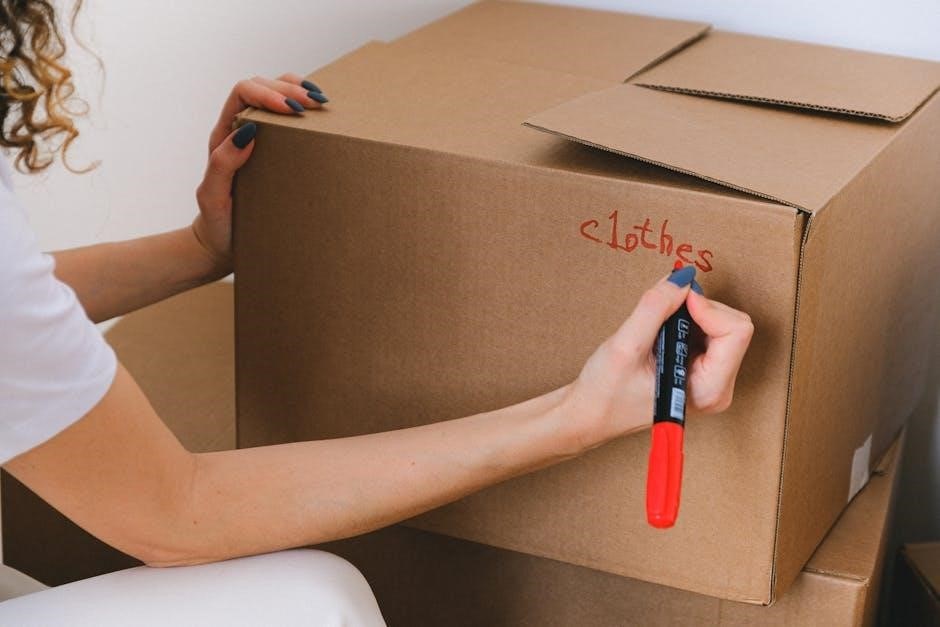
Prepare your tech for shipment by carefully packaging it. While Decluttr is now closed, the principles remain: secure packaging and account removal are vital. Consider responsible e-waste recycling if resale isn’t possible, protecting the environment.
Selling Old Tech Devices
Ready to monetize your unused gadgets? Before listing, assess the condition of your tech. Decluttr, though now closed, previously provided a streamlined selling process with instant quotes. Gather all devices and prepare for data removal – a critical step. Ensure you have access to necessary account credentials (iCloud, Samsung) to facilitate the process.
Weigh LEGO bricks for quick valuation (using kitchen scales, rounded to 0.5kg). Pack everything securely in a box for free shipping. Remember, responsible tech disposal is key if resale isn’t viable, prioritizing environmental concerns.
Removing iCloud/Samsung Accounts Before Selling
Protect your personal data! If you’re selling Apple or Samsung tech, completely removing your accounts is paramount. For Apple devices, you’ll need to remove the iCloud account. Similarly, for Samsung devices, ensure the Samsung account is fully detached before transfer of ownership.
This prevents unauthorized access to your information by the new owner. Decluttr previously emphasized this step for all Apple and Samsung devices accepted for trade-in. Failing to do so poses a significant security risk. Prioritize data security during the decluttering process – it’s non-negotiable!
Understanding ESN Status & Resolution
ESN (Electronic Serial Number) status is crucial when selling used tech. A “bad ESN” indicates the device has been reported lost, stolen, or is otherwise ineligible for activation on a carrier network. Decluttr previously addressed this, highlighting its impact on device value and sellability.
If your device has a bad ESN, resolution can be complex, potentially requiring contact with your carrier. Understanding the ESN status before attempting to sell avoids wasted time and potential disputes. Check your device’s ESN to ensure a smooth transaction and maximize its resale value during your decluttering efforts.

Post-Decluttering & Maintaining Order
Decluttr is now closed, but maintaining order post-decluttering remains vital. Proper packaging, labeling, and timely shipment are key for sold items.
Packaging & Shipping Items (Based on Decluttr Information)
Preparing your box for shipment is crucial for a smooth process. Ensure items are securely packaged to prevent damage during transit. Gather all items, including tech and media, and pack them together efficiently. Remember, Decluttr previously offered free shipping, streamlining the process for sellers.
Labeling and sending your items required a provided label, and reusing labels was prohibited. It was important to send items within a specified timeframe. While Decluttr is now closed, these principles remain relevant for selling elsewhere. Proper packaging and labeling are essential for any shipping endeavor, ensuring safe delivery and avoiding complications.
Preparing Your Box for Shipment
Secure packaging is paramount when preparing your box. Items must be protected from damage during transit, utilizing sufficient cushioning materials. Combine all items – tech, media, and more – into one box for efficiency, if possible. Decluttr previously accepted combined shipments, simplifying the selling process for users.
Careful arrangement prevents shifting and potential breakage. Ensure there’s no excessive empty space within the box. A well-packed box demonstrates care and increases the likelihood of a successful transaction, regardless of the selling platform. Prioritize protection to ensure your items arrive safely at their destination.
Labeling & Sending Your Items
Proper labeling is crucial for swift and accurate delivery. Affix the provided shipping label securely to the exterior of the box, ensuring it’s clearly visible. Avoid covering any barcodes or essential information. Decluttr previously offered prepaid shipping labels, streamlining the sending process for sellers.
Understand label usage restrictions; reusing labels was prohibited. If a label was lost, obtaining a replacement was straightforward through their support channels. Adhere to any time limits for sending your items after receiving the label to ensure a smooth transaction. Confirm the destination address before dispatch.

Resources & Printable Checklists
Numerous resources exist to aid your decluttering journey. Declutter challenge printables are widely available online, offering structured plans for tackling clutter systematically. Utilizing Declutter Checklist PDFs provides a tangible way to track progress, room by room, or category by category.

Explore online platforms for downloadable checklists tailored to specific areas like kitchens, bedrooms, or living spaces. These resources often include detailed item lists and prompts to guide your decision-making process. Remember to adapt checklists to your unique needs and preferences for optimal effectiveness.
Finding Declutter Challenge Printables
Embarking on a decluttering challenge benefits greatly from readily available printables. These resources offer structured plans, often spanning 30 days, to systematically tackle clutter throughout your home. A quick online search reveals numerous free and premium options, catering to diverse organizational styles;
Look for printables that break down decluttering into manageable daily tasks, focusing on specific areas or item categories. Many include checklists to track progress, motivating you to stay on course. Consider printables designed for visual learners, incorporating color-coding or progress bars for enhanced engagement.
Utilizing Declutter Checklist PDFs
Declutter checklist PDFs provide a convenient, digital or printable method for organizing your decluttering efforts. These documents typically offer room-by-room breakdowns, listing specific items to assess and categorize. Utilizing a PDF allows for easy customization; you can add or remove items based on your unique needs and possessions.
Print the PDF for a tangible checklist you can physically mark as you progress, or use it digitally on a tablet or computer. Regularly reviewing the checklist ensures you stay focused and motivated. Remember to revisit completed sections periodically to prevent re-accumulation of clutter, maintaining a consistently organized space.
Leave a Reply