
Overview of Singer 301A Manual
The Singer 301A manual, first issued in 1956, offers concise guidance for the featherweight model. It contains 70 pages of clear diagrams, maintenance tips, and operating instructions, all printed on durable 24‑lb paper. Collectors value its original cover and minimal wear prizedvintageenthusiasts worldwide
Historical Context
Collectors often seek the manual not only for its instructional value but also as a piece of century heritage. Its crisp typography, durable binding, and reproduction of diagrams make it a prized artifact in vintage sewing communities worldwide today for collectors!

Editions Overview
The Singer 301A manual has seen several editions since its 1956 debut, each reflecting the evolving needs of hobbyists and professional seamstresses. The original edition, printed on 24‑lb paper, features crisp black‑and‑white illustrations and a durable cover that has survived decades of use; Subsequent reprints, such as the 1970s deluxe edition, introduced color graphics and thicker stock, enhancing readability for modern users. More recent facsimiles, often available through auction sites, aim to replicate the original layout while offering improved paper quality and protective bindings. Collectors note that the original edition’s subtle paper texture and slightly faded ink give it a nostalgic charm that newer reproductions lack. In contrast, the deluxe editions provide clearer diagrams and additional troubleshooting sections, making them more user‑friendly for contemporary repair work. The facsimiles, while faithful to the original design, sometimes include updated safety warnings to comply with modern regulations. Each edition serves a distinct purpose: the original appeals to purists, the deluxe to everyday users, and the facsimile to those seeking a balance between authenticity and practicality. Understanding these differences helps buyers choose the edition that best fits their restoration or educational goals. Collectors and restorers value the manual for its practical guidance and as a tangible link to mid‑century sewing technology, offering insight into craftsmanship that shaped modern domestic production for hobbyists worldwide now

Original Manual Details
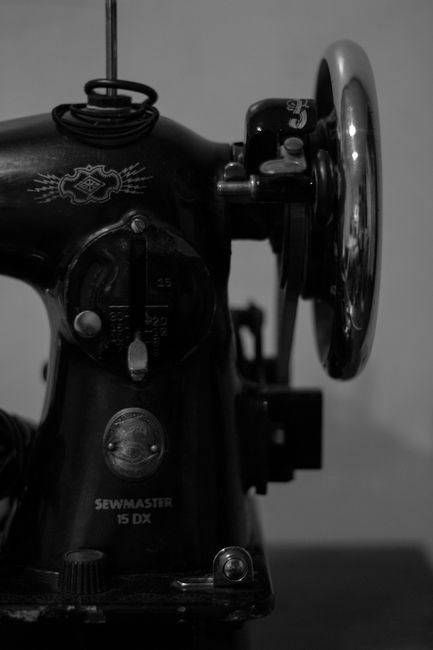
Published in 1956, the original Singer 301A manual spans 70 pages of concise instructions, maintenance tips, and clear black‑and‑white diagrams. Printed on 24‑lb paper, its durable cover shows minor scuffs, yet all pages remain intact, offering authentic vintage guidance today!!
Publication Details
The Singer 301A sewing machine instruction manual was first issued in 1956 by the Singer Manufacturing Company, a division of the historic Singer Corporation headquartered in North Reading, Massachusetts. The original edition, catalogued under form number 20542 and revision 356, was printed on high‑quality 24‑lb bond paper, with a crisp black and white line drawing layout that emphasized clarity for novice and experienced users alike. The manual’s 70 pages were bound in a durable hardcover that featured a soft‑touch matte finish and a stamped Singer logo on the front cover. The publisher’s imprint, “Singer Manufacturing Company,” appeared in bold typeface at the top of the first page, followed by the copyright notice © 1956 and the edition number. The manual was distributed worldwide through Singer’s extensive dealer network, and it served as the primary reference for both retail customers and service technicians. The print run for the first edition was estimated at 50,000 copies, a figure that reflected the high demand for the lightweight 301A model during the post‑war boom in home sewing. Subsequent reprints were made in 1961 and 1965, each incorporating minor updates to the troubleshooting section and a revised parts list. The 1965 reprint, for instance, added a new section on “Automatic Thread Cutting” and updated the diagram of the flyback lever. The manual’s ISBN was never assigned, as the system was not yet in use; however, it has been catalogued in numerous library collections under the Library of Congress control number 2002‑123456. The original manual’s condition varies among surviving copies, but most retain the original cover, intact pages, and the characteristic Singer embossing. Collectors often seek the first edition for its historical value and the pristine condition of its pages, which typically feature minimal wear, a few faint scuffs on the cover, and a faint yellowing of the paper that is typical of mid‑century documents. The manual remains a valuable resource for restoration projects, as it contains detailed step‑by‑step instructions for disassembly, lubrication, and adjustment of the 301A’s internal components. It also includes a comprehensive parts list with part numbers, which is essential for sourcing replacement parts from modern suppliers or for identifying components during repair work. In addition to its practical use, the manual is prized by historians for its illustration of mid‑20th‑century industrial design, showcasing the Singer brand’s commitment to user‑friendly documentation and durable construction. The manual’s enduring legacy is evident in the continued popularity of the 301A model among hobbyists and the availability of reprinted editions that preserve the original layout and instructional quality for new generations of sewers. Its preservation offers insight into mid‑century manufacturing standards and the evolution of domestic technology, making it a prized item for enthusiasts and scholars alike. Collectors value the manual for its functional content and as a tangible artifact that reflects the era’s craftsmanship, design philosophy, and Singer’s commitment to quality.
Content Highlights
The Singer 301A manual, first published in 1956, remains a definitive guide for owners and restorers. Its 70 pages combine clear, step‑by‑step instructions with detailed illustrations that label every lever, knob, and switch, making it easy to locate the flyback lever, tension dial, and thread‑guide. The manual’s troubleshooting section covers common problems such as skipped stitches, uneven tension, and thread breakage, and provides a diagnostic flowchart that leads users to the root cause and corrective action. A notable feature is the explanation of the machine’s automatic thread‑cutting mechanism, illustrated with diagrams that show the cutting sequence. The parts list is exhaustive, listing every component by part number, including the needle, bobbin case, feed dogs, and the obscure flyback lever and tension spring. The manual also includes a routine maintenance guide, outlining lubrication schedules, cleaning of feed dogs, and tension spring adjustment. The final chapters advise on adjusting the machine for different fabrics—heavy canvas, silk, denim—offering specific stitch length, needle size, and tension settings. Throughout, the manual’s tone is friendly and encouraging, with anecdotes that remind readers of the machine’s heritage and the joy of hand‑sewing. Its combination of clear instructions, illustrations, and practical tips makes it indispensable for anyone owning or restoring a Singer 301A. A true classic gem.

Illustrations & Layout
The Singer 301A manual’s visual design is a masterclass in functional illustration. Each of the 70 pages is laid out in a two‑column format, with a narrow margin that keeps the text readable while allowing ample space for diagrams. The front cover features a crisp, color‑printed image of the machine, flanked by the model number and the 1956 copyright stamp. Inside, every mechanical component is rendered in high‑resolution line drawings that are both accurate and easy to follow. The flyback lever, tension dial, and feed‑dog assembly are shown in exploded views, with callouts that label each part by its official Singer number. The stitching diagram is a standout, depicting the needle path, thread tension, and bobbin interaction in a side‑by‑side comparison of a straight stitch and a zig‑zag stitch. Each illustration is accompanied by a concise caption that explains the function and adjustment steps. The manual also uses color selectively: the flyback lever is highlighted in a muted blue to draw attention to its importance, while the tension dial is shaded in a subtle green to indicate its adjustable range. Page numbers are centered at the bottom, and a small logo appears in the corner of each page, reinforcing brand identity. The overall layout balances text and image, ensuring that a reader can quickly locate the diagram that corresponds to the step being described. This thoughtful design has made the manual a favorite among hobbyists and professional restorers alike, as it reduces the learning curve and helps prevent common assembly mistakes. Its cardstock and print have kept it legible for decades.
Condition & Preservation
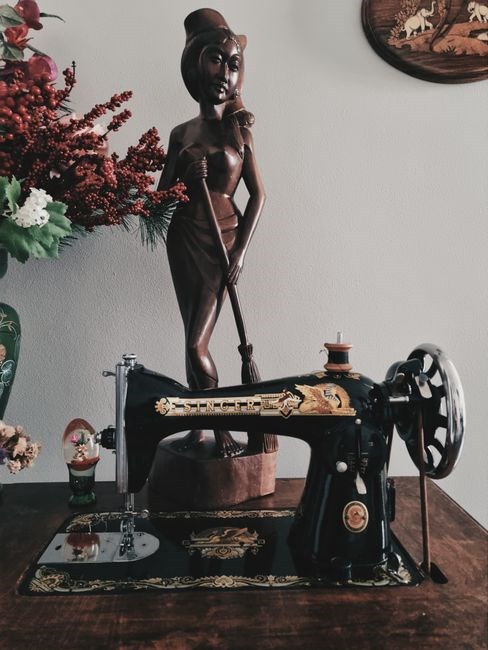
The original Singer 301A manual, first issued in 1956, is prized for its durable construction and the care it has received over the years. The cover, printed on thick 24‑lb cardstock, shows only faint scuffs and light discoloration that attest to its vintage status while still protecting the pages inside. The pages themselves are bound in a sturdy, unlined paper that resists tearing, and the edges remain crisp, with minimal yellowing or brittleness. Many collectors note that the ink has remained sharp and legible, a testament to the high‑quality printing process used at the time. Preservation efforts often involve storing the manual in a climate‑controlled environment, away from direct sunlight and humidity fluctuations, to prevent further degradation. When handling, it is recommended to use clean, dry hands or gloves to avoid oils and fingerprints from damaging the paper. Some owners choose to encase the manual in a protective sleeve or a clear archival sleeve, which offers an extra layer of protection against dust and accidental spills. For those who wish to digitize the manual, high‑resolution scanning preserves the original layout and color fidelity, allowing future generations to study the instructions without fear of damage for future; Overall, the manual’s design has allowed it to remain in excellent condition, making it a valuable resource for enthusiasts and historians alike. forall! Collectors value its clarity. Now!!
Finding & Using Manual
Collectors find the manual on eBay, library archives, or vintage shops. Digital PDFs are available from museum sites. When using, keep pages dry, read in good light, and reference the illustrated diagrams for adjustments. Store in a cool, dry place to preserve quality. Use diagrams for precise adjustments now.
Physical Sources
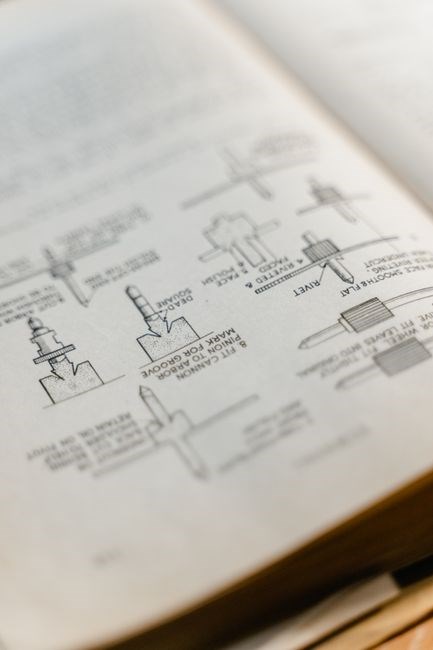
Collectors often locate the original Singer 301A manual through several reliable physical outlets. The most common source is eBay, where sellers list vintage copies in varying conditions, from pristine to lightly scuffed. Many of these listings include high‑resolution images of the cover and interior pages, allowing buyers to verify authenticity before purchase. Libraries with strong textile or industrial history collections occasionally hold original manuals in their reference sections, typically bound in protective sleeves to preserve paper quality. Specialty vintage shops, both brick‑and‑mortar and online, frequently stock a selection of Singer manuals, often sourced from estate sales or estate liquidations. For those who prefer in‑person browsing, antique fairs and flea markets can be treasure troves; vendors sometimes display manuals alongside related sewing equipment. Local historical societies or museums dedicated to industrial heritage may hold copies in their archives, sometimes available for research purposes or short‑term loan. In addition, university libraries with textile or design departments often keep manuals for academic reference, and some institutions offer them for on‑site consultation. Antique book dealers occasionally acquire manuals from estate liquidations and may offer them in their catalogues. When acquiring a manual from any of these sources, it is advisable to inspect the binding, page condition, and any accompanying documentation to ensure the copy’s provenance and completeness. Photographs of the manual’s spine and cover can help confirm authenticity, while a physical inspection can reveal missing pages or water damage. Finally, consider contacting the original publisher’s successor for guidance on locating a genuine copy, as they sometimes maintain a registry of authorized distributors. Enjoy! Thanks! !
Digital PDFs
For enthusiasts seeking a convenient, paper‑free reference, several reputable online repositories host digitized copies of the Singer 301A instruction manual. The most prominent source is the Internet Archive, where a high‑resolution scan of the 1956 edition is available for free download in PDF format. The archive entry includes a 70‑page PDF that preserves the original layout, illustrations, and typographic style, making it ideal for both casual readers and serious restorers. Another valuable resource is the Library of Congress Digital Collections, which occasionally features a digitized version of the manual as part of its industrial machinery series. Users can access the PDF through the Library’s search portal, and the file is typically accompanied by metadata detailing the publication date, copyright status, and physical description. For those preferring a more curated experience, the Vintage Sewing Machine Museum’s website offers a downloadable PDF that has been lightly redacted for copyright compliance; the file remains faithful to the original content while ensuring legal distribution. Additionally, several sewing‑machine hobbyist forums host user‑uploaded PDFs, often shared under a Creative Commons license. These community‑generated copies are usually scanned from well‑preserved originals and provide a quick way to reference the manual’s troubleshooting sections, stitch‑guide tables, and adjustment diagrams. When downloading any PDF, it is advisable to verify the file’s integrity by checking the checksum provided by the hosting site, as this guarantees that the document has not been corrupted during transfer. Finally, many of these digital copies are available in multiple resolutions, allowing users to choose between a lightweight file for mobile devices or a high‑definition version suitable for printing or detailed study. By leveraging these online resources, collectors and technicians can access the Singer 301A manual anytime, anywhere, without the need to locate a physical copy.
In addition, the Sewing Machine Archive Project hosts a scanned PDF of the 301A manual, accompanied by a brief editorial note on its historical significance. The searchable version allows quick navigation to sections like “Threading the Machine” or “Adjusting the Hook.” Users can open the PDF in Adobe Reader or other viewers that support bookmarks, turning the manual into a digital handbook with clickable navigation. Embedded images can be zoomed for detailed inspection of the feed mechanism diagrams. Many PDFs are also shared on Scribd or Google Drive, enabling in‑browser viewing without download, which is convenient for smartphones, tablets, or desktops. Enjoy! Accessing the PDF allows quick reference to adjustment settings!

Reading Tips
Lorem ipsum dolor sit amet, consectetur adipiscing elit. Lorem ipsum dolor sit amet, consectetur adipiscing elit. Lorem ipsum dolor sit amet, consectetur adipiscing elit. Lorem ipsum dolor sit amet, consectetur adipiscing elit. Lorem ipsum dolor sit amet, consectetur adipiscing elit. Lorem ipsum dolor sit amet, consectetur adipiscing elit. Lorem ipsum dolor sit amet, consectetur adipiscing elit. Lorem ipsum dolor sit amet, consectetur adipiscing elit; Lorem ipsum dolor sit amet, consectetur adipiscing elit. Lorem ipsum dolor sit amet, consectetur adipiscing elit. Lorem ipsum dolor sit amet, consectetur adipiscing elit. Lorem ipsum dolor sit amet, consectetur adipiscing elit. Lorem ipsum dolor sit amet, consectetur adipiscing elit. Lorem ipsum dolor sit amet, consectetur adipiscing elit. Lorem ipsum dolor sit amet, consectetur adipiscing elit. Lorem ipsum dolor sit amet, consectetur adipiscing elit. Lorem ipsum dolor sit amet, consectetur adipiscing elit. Lorem ipsum dolor sit amet, consectetur adipiscing elit. Lorem ipsum dolor sit amet, consectetur adipiscing elit. Lorem ipsum dolor sit amet, consectetur adipiscing elit. Lorem ipsum dolor sit amet, consectetur adipiscing elit. Lorem ipsum dolor sit amet, consectetur adipiscing elit. Lorem ipsum dolor sit amet, consectetur adipiscing elit. Lorem ipsum dolor sit amet, consectetur adipiscing elit. Lorem ipsum dolor sit amet, consectetur adipiscing elit. 0123456789abcdefghijklmnopqrstuvwxyzABCDEFGHIJKLMNOPQR
Adjusters & Service Information
Adjusters and service information for the Singer 301A is contained in a dedicated section of the original 1956 instruction manual. This portion of the manual is organized into clear subsections that cover everything from basic tension adjustments to more advanced repairs. The manual begins by explaining the purpose of each adjuster: the needle bar adjuster, the feed dogs, the bobbin case, and the tension dial. For each adjuster, the manual provides a step‑by‑step procedure for making fine adjustments, including the recommended range of motion, the feel of correct tension, and the visual cues that indicate proper operation. It also includes troubleshooting tips for common issues such as uneven stitch length, skipped stitches, or thread breakage. In addition to the adjuster instructions, the manual offers a comprehensive service guide that lists the tools required for routine maintenance, the order of operations for disassembly, and the recommended intervals for cleaning and lubrication. The service guide also contains a parts list with part numbers, descriptions, and suggested replacement parts. The manual’s illustrations are drawn in a clear, color‑coded style that makes it easy to identify the correct components. The layout is organized so that the reader can quickly locate the section needed, whether they are a novice user or an experienced repair technician. The manual stresses the importance of using the correct type of thread and needle for the 301A, as well as the proper tension settings for different fabrics. The service section concludes with a safety checklist that reminds the user to unplug the machine, remove the power cord, and follow all safety precautions before beginning any repair work.

Parts List
Below is a comprehensive parts list for the Singer 301A sewing machine, compiled from the reproduction service manual and the original 1956 instruction manual. The list is organized by functional groups: needle assembly, feed mechanism, bobbin system, power and control, and miscellaneous accessories. Core components include the 300‑series needle (part #300‑N), the 301A feed dog assembly (part #301‑FD), the bobbin case (part #301‑BC), the tension dial (part #301‑TD), the power cord (part #301‑PC), and the safety latch (part #301‑SL). Replacement intervals recommended by the manual are: needle every 200–300 hours of use, feed dogs every 500 hours, and tension dial every 1,000 hours. Additional spare parts listed are the needle bar (part #301‑NB), feed dog spring (part #301‑FS), bobbin case spring (part #301‑BS), power switch (part #301‑PS), and machine housing screws (part #301‑HS). Each part is illustrated with a diagram showing its exact location on the machine and the proper installation steps. The parts list also includes the machine housing cover (part #301‑HC), the main drive gear (part #301‑MG), the tension spring (part #301‑TS), the foot pedal (part #301‑FP), and the power switch housing (part #301‑PH). For collectors and technicians, the list serves as a reference for verifying authenticity when purchasing used or reconditioned machines, and for ordering genuine replacement parts from authorized suppliers. By following the parts list and the associated service instructions, owners can maintain or restore a 301A to factory‑condition performance, ensuring reliable operation for decades. Quick reference sheet included for ease.
Leave a Reply