
Nama Ramayanam, a revered Telugu epic poem, gains accessibility through readily available PDF formats, fostering wider readership and scholarly engagement with this classic text.
What is Nama Ramayanam?
Nama Ramayanam is a concise yet comprehensive retelling of the epic Ramayana in Telugu verse. Unlike expansive versions, it focuses on the essence of the story through the constant chanting of Lord Rama’s name – ‘Rama Nama’. This unique approach, championed by its author, imbues the narrative with profound spiritual significance.
The text isn’t merely a story; it’s considered a powerful spiritual practice in itself. Reciting or listening to Nama Ramayanam is believed to yield immense devotional benefits. The poem distills the complex narrative of the Ramayana into a manageable and deeply impactful form, making it accessible to a broader audience.
Available widely in Telugu PDF format, it allows devotees and scholars alike to easily access and study this sacred text. The core principle revolves around the belief that the name of Rama holds the power to liberate and grant spiritual fulfillment, making it a cornerstone of Telugu devotional literature.
Historical Context of the Text
Nama Ramayanam emerged within a rich tradition of Telugu devotional literature, deeply influenced by the Bhakti movement. While the original Ramayana dates back centuries, Thotakura Venkatappaiah’s adaptation arose in the 20th century, specifically gaining prominence in the mid-20th century. This period witnessed a resurgence of interest in devotional practices and simplified religious texts.
The context also reflects a desire to make the Ramayana accessible to a wider audience, bypassing the complexities of classical Sanskrit and lengthy traditional tellings. The rise of vernacular literature played a crucial role, and Nama Ramayanam perfectly fit this trend.
Today, the availability of the text in Telugu PDF format further democratizes access, allowing for wider dissemination and study. It represents a significant moment in Telugu literary history, bridging classical epic tradition with modern devotional practice and accessibility.
Significance in Telugu Literature
Nama Ramayanam holds a unique position in Telugu literature due to its concise yet comprehensive retelling of the epic Ramayana. Unlike elaborate traditional versions, Venkatappaiah’s work prioritizes devotional essence and accessibility, making it immensely popular amongst common readers.
Its significance lies in its lyrical simplicity and the author’s ability to capture the core narrative within a manageable length. This approach broadened the Ramayana’s reach, fostering a deeper connection with the story for many Telugu speakers.
The widespread availability of the text in Telugu PDF format has amplified its influence, enabling easy access for students, scholars, and devotees alike. It’s considered a cornerstone of modern Telugu devotional poetry, demonstrating the power of concise storytelling and its enduring cultural impact.
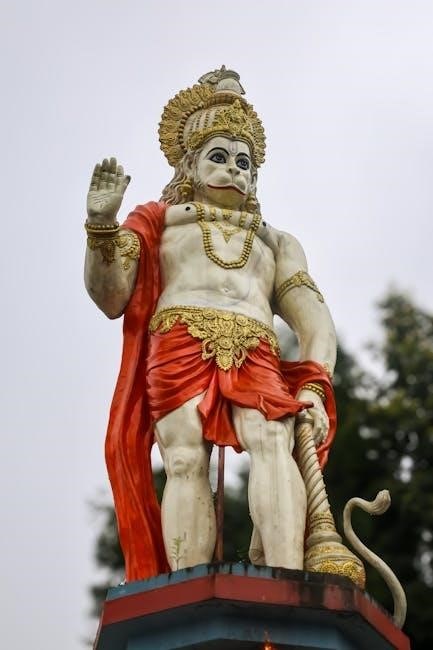
The Author: Thotakura Venkatappaiah
Thotakura Venkatappaiah, the creator of Nama Ramayanam, was a celebrated Telugu poet whose literary contributions significantly impacted the landscape of Telugu verse.
Life and Background of the Author
Thotakura Venkatappaiah, born in 1889, hailed from a modest background in the Andhra region of India. His early life was marked by a strong inclination towards literature and a keen interest in Telugu poetry. Despite facing financial constraints, he pursued his education diligently, eventually becoming a teacher by profession. This allowed him to dedicate time to his passion for writing and scholarship.
Venkatappaiah’s upbringing instilled in him a deep appreciation for Telugu culture and traditions, which profoundly influenced his literary works. He was a staunch advocate for social reform and often incorporated progressive ideas into his writings. His commitment to education and social justice shaped his worldview and fueled his creative endeavors. He actively participated in the literary movements of his time, contributing significantly to the evolution of modern Telugu literature. His dedication to preserving and promoting the Telugu language remains a cornerstone of his legacy.
Venkatappaiah’s Literary Contributions
Thotakura Venkatappaiah was a prolific writer, leaving behind a substantial body of work encompassing poetry, prose, and literary criticism. Beyond Nama Ramayanam, he authored several other notable poems and essays that showcased his mastery of the Telugu language and his insightful observations on society. His writing style was characterized by its simplicity, clarity, and emotional depth, making his works accessible to a wide audience.
He skillfully blended traditional poetic forms with modern themes, creating a unique literary voice. Venkatappaiah’s contributions extended to translating works from other languages into Telugu, enriching the literary landscape of the region. He was a pioneer in introducing new literary concepts and techniques to Telugu poetry, influencing generations of writers. His dedication to promoting Telugu literature earned him widespread recognition and accolades during his lifetime, solidifying his position as a prominent figure in Telugu literary history.
Influence on Telugu Poetry
Thotakura Venkatappaiah’s impact on Telugu poetry is profound and enduring, largely stemming from the success and innovative style of Nama Ramayanam. He championed a more accessible and emotionally resonant poetic form, moving away from overly complex and archaic language. This approach encouraged other poets to prioritize clarity and connect with a broader readership.

His work inspired a generation of writers to explore new themes and experiment with different poetic structures. Venkatappaiah’s emphasis on social commentary within his poetry also paved the way for a more engaged and socially conscious literary movement. The widespread availability of Nama Ramayanam in PDF format continues to disseminate his influence, allowing contemporary poets and scholars to study and appreciate his contributions. He remains a pivotal figure in the evolution of modern Telugu poetry, celebrated for his lyrical skill and progressive vision.

Content and Structure of Nama Ramayanam
Nama Ramayanam retells the epic Ramayana story, skillfully crafted by Thotakura Venkatappaiah, and is now widely accessible through convenient PDF versions.
Overview of the Storyline
Nama Ramayanam, available in convenient PDF format, presents a concise yet comprehensive retelling of the classic Ramayana narrative. The epic follows the life of Rama, an avatar of Vishnu, from his birth and idyllic childhood to his exile, the abduction of his wife Sita by Ravana, and his eventual triumphant return to Ayodhya.
Venkatappaiah’s rendition focuses intensely on the devotional aspect of the story, emphasizing Rama’s virtues of righteousness, courage, and compassion. The narrative highlights key events like Rama’s forest life, his alliances with Hanuman and Sugriva, the fierce battle against Ravana’s forces, and the ultimate restoration of dharma.
The PDF versions allow readers to easily navigate through the kandas (books) of the epic, experiencing the emotional depth and spiritual significance of each episode. It’s a streamlined version, making the core story accessible while retaining the essence of Valmiki’s original masterpiece.
Key Characters and Their Portrayal
The Nama Ramayanam, easily accessible in PDF format, offers a unique portrayal of iconic characters. Rama is depicted not merely as a king or warrior, but primarily as a devoted son, a righteous husband, and an embodiment of divine virtue. Sita exemplifies unwavering devotion, purity, and resilience in the face of adversity.
Hanuman, a central figure, is presented as the ultimate devotee, showcasing unparalleled strength, loyalty, and selfless service. Ravana, while portrayed as the antagonist, isn’t simply a villain; his character explores themes of power, ego, and the consequences of unchecked ambition.
Venkatappaiah’s characterizations, within the PDF text, are deeply rooted in bhakti (devotion), emphasizing the inner qualities and spiritual significance of each individual. The narrative skillfully balances heroic action with emotional depth, making these characters relatable and inspiring for readers.
Unique Aspects of Venkatappaiah’s Narration
Thotakura Venkatappaiah’s Nama Ramayanam, widely available as a PDF, distinguishes itself through its accessible and emotionally resonant style. Unlike traditional, highly Sanskritized Telugu poetry, Venkatappaiah employs a simpler, more colloquial language, broadening its reach to a wider audience. This approach doesn’t diminish the epic’s grandeur but enhances its intimacy.
His narration prioritizes bhava (emotional expression) over elaborate poetic devices, focusing on conveying the devotional essence of the story. The PDF reveals a masterful use of dialogue, bringing the characters to life with vivid conversations and internal monologues.
Venkatappaiah’s storytelling is characterized by a lyrical quality and a deep understanding of Telugu folk traditions, making the Nama Ramayanam a uniquely Telugu interpretation of the Ramayana, easily enjoyed through its digital PDF format.

Availability of Nama Ramayanam in Telugu PDF Format
Nama Ramayanam in Telugu PDF format is easily found on numerous online platforms, offering convenient access to this treasured literary work for enthusiasts globally.
Popular Online Sources for the PDF
Several digital repositories and websites host the Nama Ramayanam in Telugu PDF format, catering to a broad audience seeking access to this significant literary piece. Dedicated Telugu literature websites frequently offer downloadable versions, often categorized for easy navigation.
Internet Archive, a well-known digital library, is a reliable source, preserving various editions and scans of the text. Project Gutenberg, while primarily focused on English literature, sometimes includes translations or works available in multiple languages, potentially hosting versions of Nama Ramayanam.
Furthermore, numerous online bookstores specializing in Indian literature often provide PDF copies for purchase or free download as promotional material. Religious and spiritual websites dedicated to Rama and Hanuman may also offer the text as a devotional resource. It’s crucial to verify the source’s legitimacy and ensure the PDF is a complete and accurate representation of the original work before downloading.
Legality and Copyright Considerations
Navigating the digital landscape of Nama Ramayanam in Telugu PDF format requires awareness of copyright laws. While the original work may be in the public domain due to its age, specific translations, annotations, or digitized editions could still be protected by copyright.
Downloading PDFs from unofficial or dubious sources carries the risk of infringing on copyright regulations. Always prioritize reputable websites like Internet Archive or established digital libraries that adhere to legal standards.
Consider the publisher and translator’s rights when accessing the text. If a recent translation or annotated version is offered for free download without explicit permission, it may constitute copyright infringement. Supporting legitimate publishers by purchasing authorized PDF copies ensures the continuation of literary preservation and author compensation. Respecting intellectual property rights is crucial when engaging with digital versions of classic texts like Nama Ramayanam.

Different Editions Available as PDFs
Several editions of Nama Ramayanam in Telugu PDF format are circulating online, catering to diverse reader preferences. Early editions, often based on handwritten manuscripts, may exhibit variations in text and interpretation. Modern, critically edited versions aim for accuracy and clarity, incorporating scholarly insights.
You can find editions published by various Telugu literary organizations and publishing houses digitized as PDFs. Some versions include detailed commentaries and explanatory notes, enhancing understanding for contemporary readers. Others prioritize a faithful reproduction of the original text, preserving its archaic language and poetic style.
Furthermore, different formatting choices—font size, layout, and inclusion of illustrations—distinguish various PDF editions. Exploring multiple versions allows readers to compare interpretations and appreciate the richness of this timeless epic. Always verify the source and edition details before downloading to ensure authenticity and quality.

Understanding the Language and Style
Nama Ramayanam employs archaic Telugu, requiring careful interpretation; poetic devices abound, enriching the narrative and demanding nuanced understanding from readers of the PDF.
Archaic Telugu and Modern Interpretations
Nama Ramayanam, penned in a classical style, presents linguistic challenges for contemporary readers accessing the text via PDF. The Telugu used by Thotakura Venkatappaiah reflects the nuances of a bygone era, incorporating vocabulary and grammatical structures less common in modern usage. This necessitates a degree of familiarity with older literary conventions or reliance on scholarly annotations.
Modern interpretations often involve glossaries and explanatory notes within PDF versions to bridge this gap, clarifying archaic terms and allusions. Scholars and translators play a crucial role in making the epic accessible to a wider audience. Understanding the historical context of the language is vital; the author’s word choices weren’t arbitrary but deeply rooted in the cultural and literary traditions of his time.
Furthermore, the poetic forms employed – often intricate and adhering to strict metrical rules – require careful analysis. Digital PDF formats can sometimes hinder the appreciation of these subtleties, as the visual presentation may not fully convey the rhythm and flow intended by the poet. Therefore, a combined approach – reading the text alongside critical commentary – is often recommended for a comprehensive understanding.
Poetic Devices Used in the Text
Nama Ramayanam, available in PDF format, showcases a masterful command of poetic techniques characteristic of classical Telugu literature. Thotakura Venkatappaiah skillfully employs alliteration (akshara shobhana), enhancing the musicality and memorability of the verses. Similes and metaphors are abundant, vividly portraying characters and events, enriching the narrative experience for readers of the PDF version.
The text frequently utilizes anthyaprasa – rhyming at the end of each verse – a common feature in traditional Telugu poetry. Venkatappaiah also demonstrates expertise in prasa, internal rhyming within lines, adding layers of complexity and aesthetic appeal. Analyzing these devices within the digital PDF requires attentive reading, as the visual layout might not immediately highlight these subtleties.
Furthermore, the author’s use of vakrokti (indirect expression) and vyangya (irony) adds depth and nuance to the storytelling. Understanding these devices is crucial for interpreting the underlying themes and appreciating the author’s artistry. Digital editions, while convenient, benefit from accompanying scholarly notes explaining these intricate poetic elements.

Thematic Exploration
Nama Ramayanam’s PDF version reveals profound themes of devotion, dharma, and morality, interwoven with subtle social commentary, offering readers spiritual and ethical insights.
Devotion and Spirituality
Nama Ramayanam, accessible in Telugu PDF format, deeply explores the core tenets of devotion and spirituality within the Hindu tradition. The narrative isn’t merely a retelling of the Ramayana; it’s a profound expression of bhakti – selfless devotion – towards Lord Rama.

Venkatappaiah’s rendition emphasizes the power of nama-smarana, the chanting of the divine name, as a path to liberation. The text illustrates how unwavering faith and surrender to the divine can overcome obstacles and lead to spiritual enlightenment.
Through vivid portrayals of characters like Hanuman, whose devotion is unparalleled, the PDF version allows readers to immerse themselves in a world where spirituality permeates every aspect of life. The poem highlights the importance of righteous conduct, selfless service, and the pursuit of inner peace, making it a valuable resource for those seeking spiritual guidance. The readily available PDF ensures wider access to these timeless spiritual teachings.
Dharma and Morality
The Nama Ramayanam, conveniently available as a Telugu PDF, serves as a powerful treatise on dharma – righteous conduct – and morality. Venkatappaiah meticulously portrays the complexities of ethical dilemmas faced by characters, showcasing the consequences of adhering to or deviating from dharma.
The epic emphasizes the importance of upholding moral principles, even in the face of adversity. Rama’s unwavering commitment to truth, justice, and compassion serves as a guiding light, while the actions of characters like Ravana demonstrate the destructive consequences of ego and unrighteousness.
Through its accessible PDF format, the text allows readers to contemplate fundamental questions about duty, responsibility, and the nature of good and evil. It underscores the significance of ethical leadership, familial obligations, and the pursuit of a virtuous life, offering timeless lessons on moral fortitude and the importance of living in accordance with dharma.
Social Commentary within the Epic
The Nama Ramayanam, easily accessed as a Telugu PDF, subtly incorporates social commentary reflecting the societal norms and concerns of its time. Thotakura Venkatappaiah, through his narrative, implicitly critiques aspects of the caste system and prevailing social hierarchies prevalent in early 20th-century Andhra Pradesh.
While rooted in the traditional Ramayana story, Venkatappaiah’s rendition offers nuanced portrayals of individuals from various social strata, highlighting both their virtues and vulnerabilities. The text implicitly questions the rigidities of social structures and advocates for a more compassionate and equitable society.
The readily available PDF version allows modern readers to analyze these subtle yet significant social observations. It prompts reflection on the enduring relevance of these themes and encourages a critical examination of societal inequalities, making the epic a valuable resource for understanding historical and contemporary social dynamics.

Nama Ramayanam and its Cultural Impact
Nama Ramayanam, widely distributed as a Telugu PDF, profoundly influenced Telugu performing arts and continues to resonate within contemporary religious practices and media.
Influence on Telugu Performing Arts
Nama Ramayanam, easily accessible today as a Telugu PDF, has deeply permeated various Telugu performing arts traditions. The epic’s narrative structure and character portrayals have served as foundational material for numerous Yakshaganas, traditional operatic forms, and Burrakathas, a vibrant storytelling art.
The poetic verses, now widely available through digital PDF versions, lend themselves beautifully to musical adaptation, inspiring countless Harikathas – narrative performances blending storytelling, music, and devotional singing. The accessibility of the PDF format has empowered artists to readily study and reinterpret key scenes, fostering innovation within these traditional forms.
Furthermore, the emotional depth and moral complexities within Nama Ramayanam provide rich material for dramatic performances, influencing both classical and folk theatre in the Telugu-speaking regions. The widespread availability of the text as a PDF ensures its continued relevance and inspires new generations of performers.
References in Contemporary Media
Despite being a classical text, Nama Ramayanam, now conveniently available as a Telugu PDF, continues to resonate within contemporary Telugu media. Allusions to the epic’s characters and storylines frequently appear in modern Telugu cinema, television dramas, and literary works. The accessibility of the PDF version facilitates this ongoing cultural dialogue.
Themes of devotion, dharma, and societal morality, central to Nama Ramayanam, are often explored in contemporary Telugu films and serials, demonstrating the epic’s enduring relevance. Furthermore, the characters’ struggles and triumphs provide compelling narratives for modern adaptations.
Social media platforms also witness discussions and interpretations of the epic, fueled by the ease of access provided by the Telugu PDF format. Blog posts, articles, and online forums dedicated to Telugu literature frequently analyze and celebrate Nama Ramayanam, ensuring its continued presence in the cultural consciousness.
The Text’s Role in Religious Practices
Nama Ramayanam, particularly accessible now through Telugu PDF versions, holds a significant place in the religious practices of Telugu-speaking communities. It’s frequently utilized in devotional recitations, known as parayanam, performed individually or collectively in temples and homes. The PDF format enhances accessibility for wider participation.
Many devotees believe that reading or listening to Nama Ramayanam invokes divine blessings and fosters spiritual growth. Specific verses are often chanted during religious ceremonies and festivals, reinforcing its importance in ritualistic observances. The availability of the Telugu PDF allows for convenient access during these practices.
Furthermore, the epic serves as a source of moral guidance and ethical principles for many, influencing their daily lives and reinforcing their faith. The easily shareable PDF contributes to the continued transmission of these values across generations, solidifying its role in religious life.
Leave a Reply